China Top 10 Electrical Metering Devices Suppliers
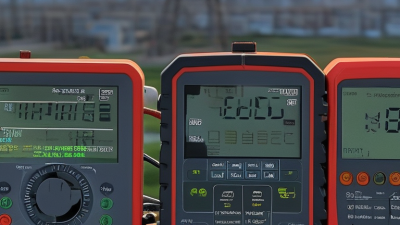
Choosing reliable electrical metering devices suppliers in China requires more than comparing catalogue prices. Product accuracy, communication, certification, and after-sales support all affect real project results. A meter may look advanced, yet perform poorly in heat, dust, vibration, or unstable voltage conditions. This guide introduces ten notable Chinese suppliers for industrial, commercial, and energy-management applications. It considers product range, manufacturing experience, testing practices, export capability, and customer feedback. The selection is informative, not an official ranking.
Field requirements matter. A factory may need multifunction power meters, while a residential project may require compact smart meters. Some suppliers focus on current transformers and panel instruments. Others develop digital energy meters, data gateways, or complete monitoring systems. We examine these differences carefully. Certification claims should still be verified with current documents. Standards and market access rules can change. That detail is easy to miss.
Practical evidence is especially valuable. Installation manuals, calibration records, sample testing, and responsive technical support often reveal more than attractive brochures. Buyers should request communication protocols, accuracy classes, operating-temperature ranges, and enclosure ratings before ordering. They should also confirm software compatibility and replacement-part availability. Supplier performance can vary between product lines. A strong factory is not automatically the best choice for every application.
This overview reflects common industry evaluation methods and practical purchasing concerns. It may not capture every regional specialist or newly established manufacturer. Readers should conduct independent audits before signing contracts. Careful verification remains essential.
Types of Electrical Metering Devices in China
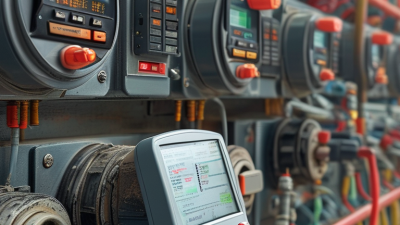
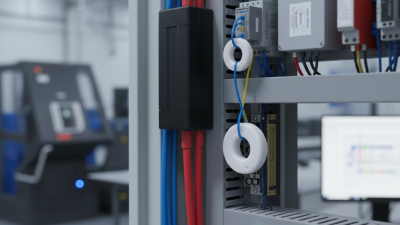
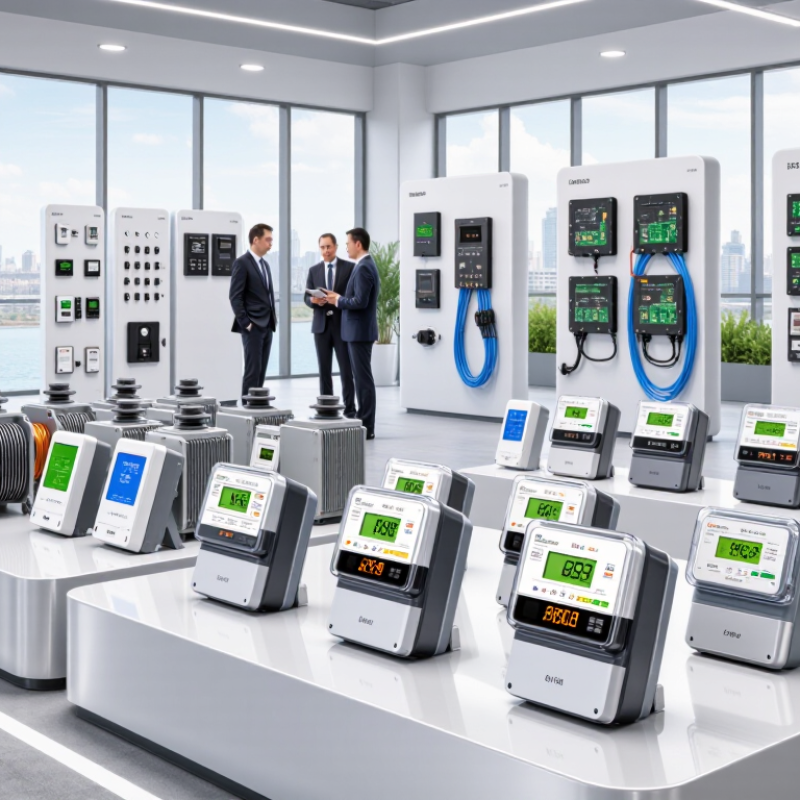
China’s electrical metering devices cover several practical categories. Basic electronic energy meters measure active electricity in homes and small shops. Three-phase meters serve factories, commercial buildings, and charging facilities. CT-operated meters handle high-current circuits without placing the full load through the meter. The boundary is not always clean.
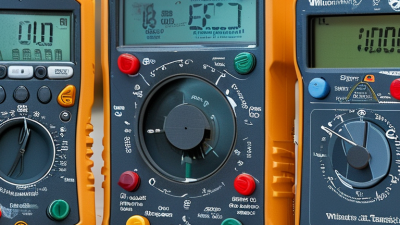
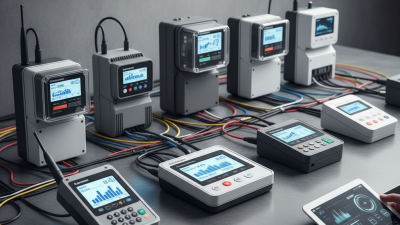
Smart meters add two-way communication, remote reading, outage detection, and time-of-use billing. Prepaid models control credit before consumption. Multifunction power meters display voltage, current, power factor, frequency, and demand. Power-quality meters go further, recording harmonics, voltage dips, and short interruptions. DIN-rail meters suit compact panels, while DC meters support solar systems, batteries, and electric transport equipment. China’s large grid makes these differences important. The IEA’s Electricity 2024 report expects China’s electricity demand to grow by about 6% in 2024, increasing pressure for accurate measurement and flexible load management.
Technical data matters more than appearance. Buyers should check accuracy class, communication protocol, sampling rate, temperature range, sealing design, and verification requirements. The International Energy Agency also identifies digitalisation as a major tool for improving grid visibility and demand response. Yet remote communication can fail in concrete basements or crowded radio environments. A perfect specification sheet does not guarantee perfect field performance. Pilot testing remains wise. The China Electricity Council and national metrology guidance provide useful references for installation, verification, and operating conditions.
Key Criteria for Evaluating Chinese Metering Suppliers
China Top 10 Electrical Metering Devices Suppliers
China’s metering suppliers should be judged beyond price, catalog size, and factory appearance. The IEA Electricity 2024 report forecasts global electricity demand to grow by about 3.4% annually through 2026. Reliable measurement is becoming operationally critical. Ask suppliers for evidence of compliance with IEC 62052-11 and relevant IEC 62053 accuracy standards. Review type-test reports, uncertainty calculations, temperature tests, and communication performance. A verified laboratory matters more than attractive brochures.
Tips: Request three production samples, not one perfect unit. Check accuracy at low, rated, and high current. Inspect terminal screws, seals, display readability, and pulse outputs. Compare serial-number records with calibration certificates. ISO’s 2023 Survey recorded over 1.2 million ISO 9001 certificates worldwide, but certification alone cannot prove meter accuracy. Confirm the certificate scope and audit date. Small details reveal process discipline.
Supplier evaluation should also cover firmware control, cybersecurity procedures, spare-part continuity, and complaint response times. Request a change-notification policy before signing. Speak with recent customers, where possible, and verify delivered models against test documents. A factory tour can mislead. I would prefer a witnessed test under load, with raw data exported directly from the instrument. Some suppliers may resist this request, and that itself deserves reflection. Delivery capacity needs evidence too: inspect calibration benches, aging-test areas, operator training records, and rejected-unit logs. A clean room is useful, but consistent records are stronger.
Product Capabilities and Industry Applications
China Top 10 Electrical Metering Devices Suppliers
China’s top ten electrical metering device suppliers typically cover smart energy meters, multifunction meters, current transformers, and power quality analyzers. Their product capabilities often include voltage, current, frequency, power factor, and energy measurement. Some models support remote reading through cellular, Ethernet, wireless, or open serial communication. In practical projects, installers value clear wiring labels, stable terminals, sealed enclosures, and readable displays. Small details matter.
These devices serve apartment buildings, factories, data centers, solar plants, and electric vehicle charging sites. Residential meters focus on billing accuracy and tamper detection. Industrial meters require wider measurement ranges and event recording. Solar applications need bidirectional energy measurement, while charging stations depend on reliable load monitoring. Suppliers may also provide gateway devices, monitoring software, and customized communication interfaces. Integration is not always smooth.
For professional procurement, buyers should review calibration records, type-test reports, accuracy classes, temperature limits, and ingress protection ratings. Factory acceptance testing can check relay action, pulse output, alarm records, and communication stability. A supplier with engineering support can help match transformers, wiring methods, and installation environments. However, a low quotation may conceal weak documentation or limited after-sales support. I would request sample testing before approving large orders. Even a technically strong device can fail when installation instructions are vague, terminals are poorly marked, or network settings are overlooked.
How to Select a Suitable Chinese Metering Supplier
China Top 10 Electrical Metering Devices Suppliers
Selecting a Chinese metering supplier requires more than comparing quotations. The IEA’s Electricity 2024 report expects global electricity demand to grow by about 3.2% annually from 2024 to 2026. Accurate meters will therefore support larger and more complex grids. Ask suppliers to provide test records against IEC 62052-11 and relevant IEC 62053 standards. Check whether an independent, ISO/IEC 17025-accredited laboratory performed the tests. Factory experience matters too. Request production photos, calibration procedures, and sample traceability from assembly to shipment.
Tips:
Start with a paid sample. Test accuracy, communication ports, sealing, and performance under voltage changes. Review the error curve, not only the headline accuracy class. Confirm firmware control and data security procedures. A clear response is valuable evidence. Vague answers deserve a second inspection.
During supplier evaluation, compare five areas: engineering capability, component stability, quality control, export experience, and after-sales support. Request a recent audit report, incoming inspection records, and a corrective-action example. Verify whether the supplier can maintain accuracy across temperature and load conditions. The IEC 62053 series includes demanding accuracy requirements, but compliance claims should be independently checked. A low quotation can still become expensive after recalibration, rejected batches, or delayed certification. I have seen specifications look complete while critical details remained missing. That is the uncomfortable part. Do not rely on a polished catalog. A video factory tour helps, but an on-site audit is stronger. Insist on written acceptance criteria before production begins.
 X