Why Choose a Modbus Energy Meter for Your Business Needs?
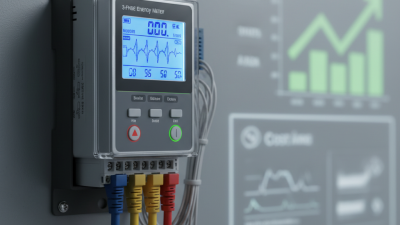
In today's energy-driven world, businesses are under pressure to optimize their energy usage. A modbus energy meter can be a game-changer. This technology allows for precise monitoring of energy consumption. It captures real-time data that businesses need for informed decision-making.
Choosing the right energy meter is vital. The modbus energy meter excels in communication, making it a preferred choice. It facilitates integration with various systems, enhancing operational efficiency. Businesses can analyze usage patterns and identify areas for improvement. This can lead to significant cost savings over time.
However, it's essential to understand how to leverage this technology properly. Misconfigurations can lead to inaccurate readings. Training your team to interpret the data effectively can be challenging. Investing in a modbus energy meter is worthwhile, but it requires commitment and knowledge to maximize its benefits.
Benefits of Using Modbus Energy Meters in Industrial Applications
Modbus energy meters bring significant advantages to industrial applications. These devices communicate effectively with various systems, ensuring seamless integration. Their ability to transmit data in real-time allows businesses to monitor energy consumption accurately. This transparency helps identify inefficiencies quickly, promoting smarter energy management.
One notable aspect of Modbus meters is their robustness. They operate well in demanding environments, like factories and warehouses. This reliability means less downtime and reduced maintenance costs. Additionally, they support a wide range of configurations, accommodating different operational needs. However, understanding their setup can be challenging for some staff. Training may be necessary, highlighting an area needing improvement.
Energy efficiency is another crucial benefit. Modbus energy meters provide detailed insights into usage patterns. This information enables companies to implement targeted energy-saving measures. While the initial installation may require investment, the long-term savings often outweigh costs. Companies must, however, consider their unique requirements. Not every solution fits all contexts perfectly, requiring thoughtful evaluation.
Benefits of Using Modbus Energy Meters in Industrial Applications
Understanding the Modbus Protocol and Its Advantages for Energy Monitoring
The Modbus protocol is widely recognized in energy monitoring systems. This open standard allows for smooth communication between devices. It is user-friendly and adaptable for various applications. Modbus can handle multiple meters simultaneously, making it ideal for extensive energy monitoring.
Using a Modbus energy meter brings numerous advantages. It provides real-time data, which improves decision-making. With accurate insights, businesses can optimize their energy use and reduce costs. Moreover, integration with existing systems is often seamless. This flexibility enhances operational efficiency and simplifies monitoring processes.
For effective implementation, consider these tips. Ensure compatibility between your energy equipment and the Modbus protocol. Check the range of data your meters can handle to avoid future issues. Regular updates on your monitoring software can also enhance performance and security. Monitoring energy usage requires diligence; small errors can lead to significant losses. Embrace the learning curve and adapt as you go.
Cost Savings and Efficiency Improvements Through Accurate Energy Measurement
Energy measurement is critical for businesses aiming to improve efficiency and reduce costs. Accurate data from Modbus energy meters can lead to informed decisions about energy consumption. According to a report by the International Energy Agency, organizations that invest in precise energy metering can see energy savings of up to 30%. This impressive figure highlights the importance of tracking energy usage effectively.
Implementing a Modbus energy meter allows for real-time monitoring. Real-time feedback can help identify inefficiencies quickly. Many businesses underestimate potential wasting. It's reported that about 10% to 20% of energy can be lost due to equipment malfunctions. Accurate measurements can reveal these hidden losses and prompt timely repairs, boosting overall efficiency.
Moreover, companies can align their energy strategies with sustainability goals. A study from the U.S. Department of Energy concluded that real-time monitoring can facilitate a shift towards renewable energy sources. Monitoring emissions and understanding energy flow helps organizations take actionable steps. Mismanagement of energy resources can lead to excessive costs and fines in many regions. Using reliable metering systems, businesses can navigate these challenges effectively.
Integrating Modbus Energy Meters with Smart Grid Technologies for Future Growth
Integrating Modbus energy meters with smart grid technologies opens new avenues for businesses. These meters provide real-time data on energy consumption patterns. This information is crucial for optimizing energy use and reducing costs. Many businesses struggle with inefficiencies. Using Modbus meters can simplify data collection. The technology provides reliable, standardized communication across devices.
Smart grids rely on accurate data for efficient energy distribution. By incorporating Modbus energy meters, companies can achieve better energy management. The integration allows for seamless interaction between various devices. This connectivity enhances overall energy efficiency and creates opportunities for innovative energy solutions. However, challenges in interoperability can arise. Not all devices are compatible, leading to potential data silos.
Implementing Modbus systems requires careful planning. Businesses must assess their specific energy needs and potential growth. Staff training might be necessary for effective system use. Some businesses may hesitate due to the upfront costs of integration. Yet, the long-term benefits often outweigh initial investments. Embracing these technologies can pave the way for sustainable growth and energy independence.
Case Studies: Successful Implementation of Modbus Energy Meters in Businesses
Modbus energy meters are becoming essential tools for businesses aiming to optimize energy usage. For instance, a case study published by the Energy Management Association revealed that a manufacturing plant reduced operational costs by 15% after implementing Modbus meters. These devices provide real-time data on energy consumption, helping businesses identify inefficiencies.
Another example is a retail chain that utilized Modbus energy meters to monitor their branches. The company reported significant savings by detecting peak usage times and adjusting operations accordingly. A detailed analysis showed that energy costs dropped by 12% across outlets. Such results highlight how strategic data collection can drive better decision-making.
Many businesses overlook the importance of data accuracy. Investing in a reliable energy meter can lead to much-needed insights. Regular maintenance of these devices ensures consistent performance. Companies must also train staff on how to interpret the data collected. Effective implementation involves more than just installing the device; it requires a clear strategy. Embracing this technology can indeed transform business energy management.
 X
X