What Is a Three Phase Energy Meter and How Does It Work?
A three phase energy meter measures electrical energy across three alternating-current phases. It is commonly used in factories, offices, workshops, and large residential buildings. Unlike a single-phase meter, it monitors three voltage and current paths at the same time. This makes it suitable for motors, heating systems, elevators, and other substantial loads.
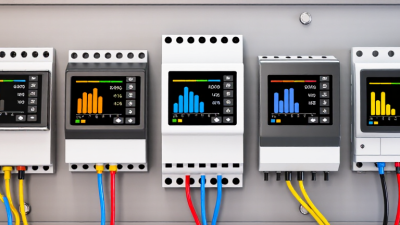
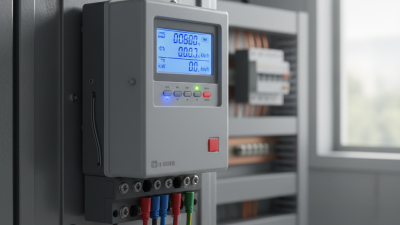
Inside the meter, voltage sensors and current transformers capture electrical conditions on each phase. The device then calculates power and records consumption in kilowatt-hours. Modern models may also track voltage, power factor, demand, and phase imbalance. A digital display can show live readings, while communication ports may send data to a monitoring platform. The process sounds straightforward. Real installations are not always so simple.
If one phase carries more load, the meter can reveal an imbalance that ordinary readings might hide. Wiring errors, incorrect transformer ratios, or poor calibration can also produce misleading results. For this reason, qualified technicians should select, install, and test the equipment according to local electrical rules and manufacturer instructions. Accuracy depends on the meter, the installation, and the measurement conditions. That point is easy to overlook.
This guide explains what a three phase energy meter is, how it works, and where its readings matter. It also considers practical limits, safety concerns, and common measurement mistakes. The goal is not merely to describe a display. It is to help readers interpret energy data with greater confidence and appropriate caution.
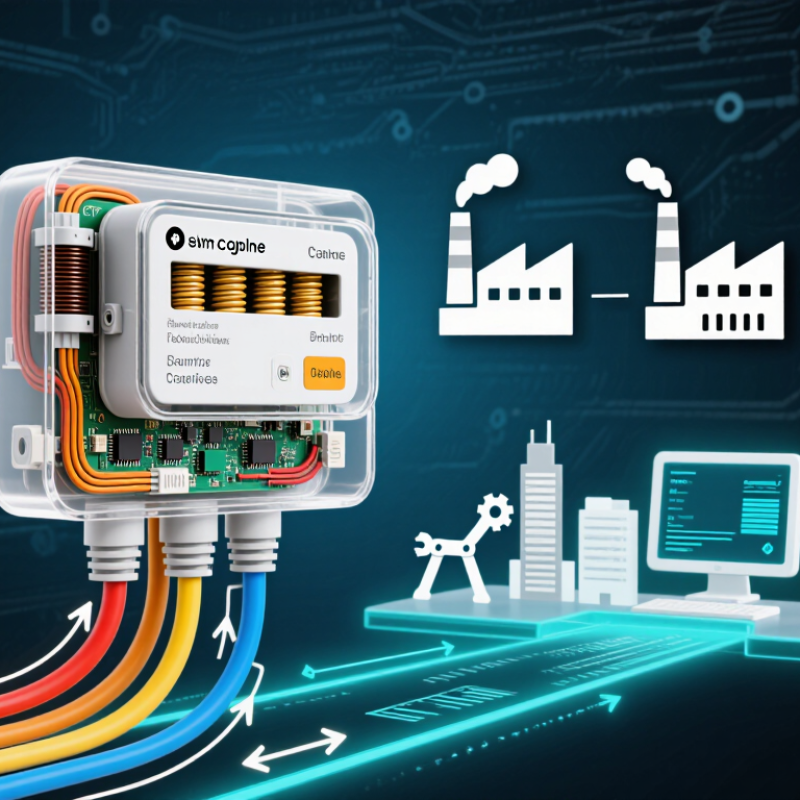
What Is a Three-Phase Energy Meter?
A three-phase energy meter is an electrical instrument that measures energy in systems with three alternating-current phases. These phases usually serve commercial buildings, workshops, pumps, elevators, and industrial equipment. Compared with a single-phase meter, it monitors three voltage and current paths instead of one.
The meter samples each phase continuously. It measures voltage, current, and the timing between their waveforms. It then calculates real power for each phase and adds the results. The displayed reading is commonly recorded in kilowatt-hours, or kWh. Some meters also show power factor, frequency, voltage imbalance, and peak demand. These details help technicians find overloaded circuits or inefficient machinery.
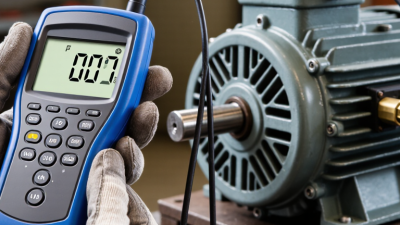
Installation requires careful attention. A qualified electrician checks the phase sequence, terminal connections, and current-transformer direction when transformers are used. A reversed transformer can produce misleading readings. The meter should also match the system voltage, current range, and wiring arrangement. In field inspections, loose terminals and unbalanced loads are common causes of confusing data. No meter is perfectly exact. Heat, electrical noise, aging components, and incorrect setup can affect accuracy. For reliable billing or energy analysis, technicians compare readings with test equipment and review the meter’s calibration information.
How a Three-Phase Energy Meter Measures Electricity
A three-phase energy meter measures electrical energy in systems with three alternating voltage phases. These phases usually serve factories, commercial buildings, pumps, and large motors. Each phase carries current at a slightly different point in the electrical cycle. The meter monitors them together, not as three unrelated circuits.
Inside the meter, voltage sensors connect across the phases, while current transformers or internal sensors detect current flow. The meter samples voltage and current many times each second. It multiplies the values for each phase to calculate instantaneous power. The system then adds those power readings over time and records energy in kilowatt-hours. In a four-wire system, the meter can also measure the neutral connection. It checks phase relationships, because timing affects the real power calculation. Small timing errors matter.
Installation quality matters greatly. Technicians must match the current-transformer ratio, wiring order, and voltage range with the system. A reversed sensor may show negative energy or an incorrect load. Loose connections can create unstable readings. A meter may be accurate on paper but unreliable when configured poorly. Harmonic currents from variable-speed equipment can also challenge basic measurement methods. Regular testing with a calibrated reference meter helps reveal these problems. The process is not perfect. Even careful measurements deserve a second look.
Applications, Accuracy, and Meter Selection
A three-phase energy meter measures electrical energy across three alternating-current phases. It samples voltage and current, then calculates real power from their timing and magnitude. The meter adds energy over time, usually in kilowatt-hours. In a factory, three current channels may show different loads on each phase. That detail matters.
These meters serve workshops, commercial buildings, pumps, elevators, and renewable-energy systems. They help operators compare production energy with equipment output. Accuracy depends on more than the display. Current-transformer ratio, phase wiring, power factor, temperature, and electrical harmonics all influence the reading. A reversed current-transformer connection can create a convincing but incorrect result. Calibration against a traceable reference improves confidence. Still, no field measurement is perfect.
Meter selection should begin with the installation. Direct-connected meters suit lower currents, while transformer-operated models handle larger loads. Check system voltage, maximum current, frequency, accuracy class, and communication options. Modbus or pulse outputs can support monitoring systems. For dusty or humid locations, enclosure protection deserves attention. Choose a model that records phase imbalance and peak demand when those values affect operations. Installation quality remains critical. Even an excellent meter can report poorly when cables are loose, phases are misidentified, or transformers use the wrong ratio.