• Products
  • Solutions
  • Support
  • Contact
  • Order OnlineOrder Online

Why Choose a CT Meter for Accurate Energy Measurement?

Accurate energy measurement begins with choosing the right instrument for the electrical system. A ct meter uses current transformers to measure large currents safely and efficiently. This design supports installations where direct connection is impractical, such as factories, commercial buildings, and utility panels. It can monitor consumption across feeders without interrupting normal operations. That matters when every kilowatt-hour affects operating costs.

A well-selected ct meter offers stable readings, clear data, and dependable performance under demanding conditions. Its accuracy depends on more than the meter alone. Transformer ratio, burden, wiring length, phase alignment, and installation quality all influence the result. A trained technician should verify these details during commissioning and periodic testing. Certified equipment and traceable calibration records also strengthen confidence in billing and energy-management decisions. Small wiring errors can create surprisingly large measurement differences. Precision requires discipline.

The practical value becomes visible in daily operations. Facility managers can compare meter readings with production schedules, identify unusual nighttime loads, and confirm whether efficiency projects deliver measurable savings. Digital models may provide communication interfaces, alarms, and interval data for monitoring platforms. Yet advanced features cannot replace correct setup. That is an easy point to overlook.

Selecting a ct meter should therefore involve load calculations, accuracy requirements, environmental conditions, and future expansion plans. Manufacturer documentation and recognized testing standards deserve careful review. No meter is perfect in every situation. A thoughtful choice creates reliable evidence for better energy decisions.

Why Choose a CT Meter for Accurate Energy Measurement?

What Is a CT Meter and How Does It Measure Energy?

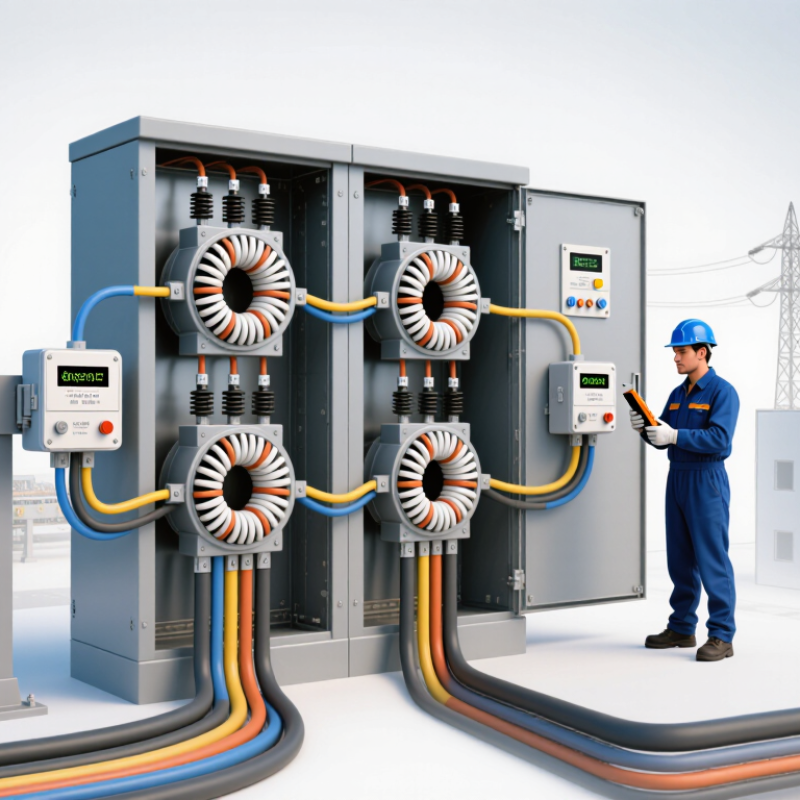
A CT meter measures energy indirectly. A current transformer surrounds or connects to a high-current conductor, then produces a smaller, proportional secondary current. For example, a 600:5 CT converts 600 amperes into 5 amperes. The meter reads this safer signal, applies the CT ratio, and combines it with voltage and power factor. It then integrates real power over time and reports kilowatt-hours.

The detail matters.

In a factory panel, an incorrectly reversed CT can show negative power. An overloaded CT may saturate during a fault, reducing measurement accuracy. Long secondary wiring also adds burden, which can shift readings.

IEC 61869-2 addresses current-transformer performance, while electricity meters commonly follow IEC 62053 accuracy requirements. These standards help engineers verify ratio error, phase displacement, and operating limits.

The scale is significant. The Energy Institute’s 2024 Statistical Review records nearly 30,000 terawatt-hours of global electricity generation in 2023. The IEA’s Electricity 2024 report forecasts global electricity demand to grow by about 3.4% annually through 2026. Small measurement errors can therefore become expensive across large facilities. In practice, technicians should check polarity, phase matching, CT class, burden, and calibration records. Installation quality often matters as much as the meter itself. That is the less tidy truth.

How Current Transformers Improve Measurement Safety and Range

A current-transformer (CT) meter measures energy without placing the full load current through the meter. Instead, the CT reduces a high primary current to a safe, standardized secondary value. This separation protects technicians and sensitive measuring circuits. In field installations, it also simplifies work around thick conductors and crowded panels. A correctly selected CT can extend the measurement range from modest branch loads to heavy industrial feeders. Accuracy still depends on ratio, burden, polarity, and installation quality. Small errors matter.

During commissioning, I check the CT rating against the feeder’s expected current, not only its normal reading. A meter may appear stable while a mismatched CT quietly causes ratio error or saturation. CTs also support safer maintenance because the instrument circuit remains isolated from the high-current conductor. However, the secondary circuit must never be left open while the primary is energized. Dangerous voltage can develop. Use approved shorting methods and follow local electrical procedures. That detail is easy to overlook.

Tips: Keep leads short and secure. Confirm polarity before recording data. Use a CT with a suitable accuracy class and burden capacity. Inspect terminal tightness after thermal cycling. For changing loads, choose a range that captures peaks without sacrificing low-current resolution. I once treated a “close enough” ratio as acceptable. Later checks showed avoidable measurement drift. That was a useful correction.

Which Factors Affect CT Meter Measurement Accuracy?

Why Choose a CT Meter for Accurate Energy Measurement?

Which Factors Affect CT Meter Measurement Accuracy?

A current transformer (CT) meter measures energy indirectly, so accuracy depends on every link in the measurement chain. The transformer ratio must match the installation’s actual load. A 400/5 CT used on a lightly loaded circuit may produce weak secondary current and larger relative errors. Accuracy also changes near saturation, especially during heavy starts or fault conditions. Core quality, burden, and winding design matter. So does frequency stability. During field inspections, loose terminals and long secondary wiring often cause surprises. Small resistance becomes significant.

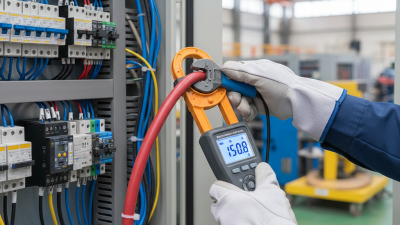
Installation technique is equally important. The conductor should pass through the CT window in the specified direction, with no accidental bypass path. Opening a live CT secondary can create dangerous voltage and damage equipment. Connections should be tight, short, and checked with calibrated instruments. Temperature, vibration, moisture, and electromagnetic interference may also shift readings over time. Meter class ratings describe expected performance, but they cannot correct poor installation. Even a high-class meter cannot fix an incorrectly sized transformer.

Tips

Record the CT ratio, burden, temperature, and load during commissioning. Compare readings against a trusted reference at low, medium, and high loads. Recheck after maintenance. I have seen a “perfect” reading fail because one cable was connected to the wrong terminal. That mistake is easy to miss. Do not assume factory accuracy equals site accuracy. Verification remains necessary.

How to Select and Install a CT Meter Correctly

Why Choose a CT Meter for Accurate Energy Measurement?

Selecting and installing a CT meter correctly begins with the electrical load. The Energy Institute’s Statistical Review of World Energy 2024 recorded global electricity generation of about 29,925 TWh in 2023. As power systems expand, small measurement errors can become expensive. Choose the current transformer ratio above the expected maximum load, but avoid excessive oversizing. A 1,000/5 A CT may perform poorly when a circuit normally draws only 80 A. Check the required accuracy class, rated burden, frequency, insulation level, and short-circuit withstand rating. IEC 61869-2 provides the technical framework for current transformer performance.

Installation requires careful field discipline. I have found that loose terminals and incorrect polarity cause more trouble than many engineers expect. Match the CT markings, such as P1 and P2, with the supply direction. Keep secondary wiring short, secure, and appropriately sized. Never leave a CT secondary open while the primary circuit is energized; dangerous voltage may develop. Use a suitable shorting terminal during testing or maintenance.

Verify the meter configuration before energizing the system. Enter the correct CT ratio, phase sequence, and wiring mode. Compare readings with a trusted reference under a stable load. The IEA’s Electricity 2024 report expects global electricity demand to grow by around 4% annually through 2026, increasing the need for dependable monitoring. Still, installation records are often incomplete. That weakness deserves attention. Photograph terminal positions, record test values, and schedule periodic verification.

Why Choose a CT Meter for Accurate Energy Measurement?

Current-transformer metering allows high primary currents to be measured safely while isolating the measuring instrument. A lower accuracy-class number indicates a smaller permitted ratio error at rated current.

Maximum ratio error at rated current for representative metering CT accuracy classes, based on IEC 61869-2 class definitions. Select a CT ratio close to the expected operating current, verify the meter burden, and never leave a CT secondary open while the primary circuit is energized.

Where CT Meters Are Used in Energy Management

Why Choose a CT Meter for Accurate Energy Measurement?

Where CT Meters Are Used in Energy Management

A CT meter measures electrical current through current transformers, or CTs. It reduces large current values to safer, measurable signals. This design suits factories, commercial buildings, and utility-scale electrical panels. In high-current systems, direct metering can require costly equipment and larger conductors. CT metering is safer and more practical.

Factories use CT meters to track individual production lines, motors, compressors, and heating equipment. Managers can compare energy use during shifts and identify unusual consumption. Office buildings often install them in main switchboards, tenant panels, and HVAC circuits. The readings support submetering and fair cost allocation. Data centers use CT meters to monitor server racks, cooling systems, and backup power paths. Solar installations may use them to measure grid import, export, and on-site demand.

Accuracy depends on more than the meter itself. The CT ratio must match the expected load. Polarity, phase placement, wiring quality, and calibration also matter. Field inspections often find reversed CTs or loose terminals. Small errors become expensive.

A qualified technician should verify readings against a calibrated reference instrument. The system should also be tested under different loads, not only during quiet periods. The method is not flawless. A lightly loaded transformer can produce less reliable results, and poor installation can distort otherwise good data. Energy teams should review these limitations before trusting automated reports.