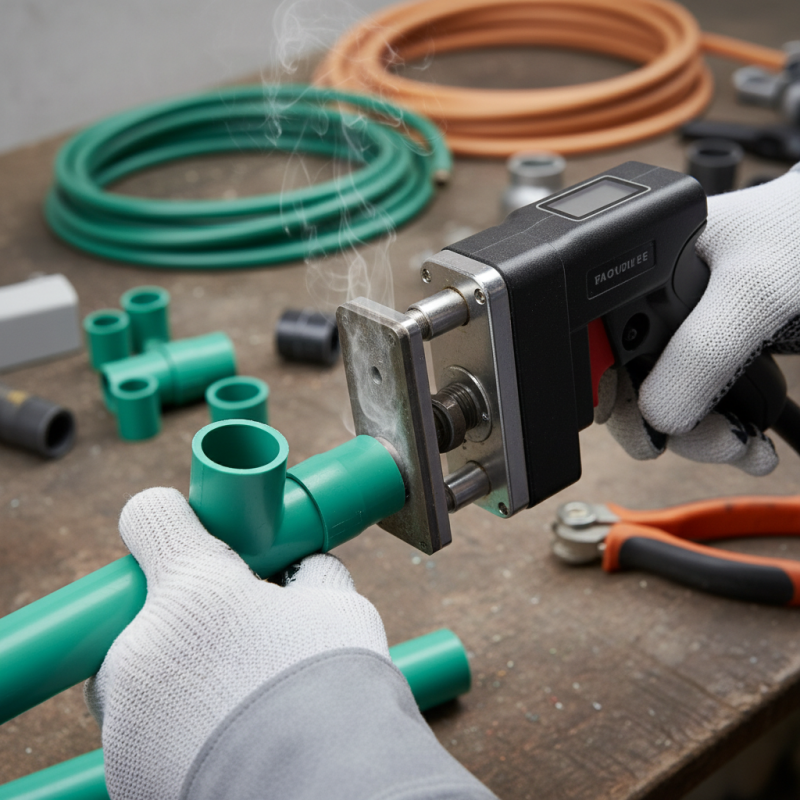
How to Use a Socket Fusion Tool Effectively for Your Projects?
Using a Socket Fusion Tool can be a game-changer for your projects. This tool allows for efficient and strong pipe joining, particularly in plumbing and HVAC installations. However, effective use requires knowledge and skill. Each project presents unique challenges, which can lead to mistakes if not approached carefully.
Many beginners struggle with temperature settings and fusion times. These factors are crucial for successful connections. Overheating can weaken the joints, while underheating can lead to leaks. It's vital to follow manufacturer guidelines closely. Practice different techniques to enhance your skills and confidence.
Reflecting on past experiences can offer valuable insights. Every project teaches something new about handling the Socket Fusion Tool. Embrace your mistakes; they are stepping stones to mastery. By honing your skills with this tool, you can ensure a sturdy and long-lasting installation.
Choosing the Right Socket Fusion Tool for Your Project Requirements
Choosing the right socket fusion tool is crucial for your projects. The right tool ensures optimal performance and durability of your joints. Consider the diameter of your pipes. Tools vary in their compatibility with different sizes. If you are working with various diameters, a versatile tool may be necessary.
Another factor is the type of material. Not all socket fusion tools are created equal. Some work better with specific types of plastics. Research the material requirements before making a purchase. You want to avoid issues during fusion, which can lead to weak connections.
**Tips:** Always check the temperature settings of your tool. Improper heating can cause melt issues. Keep the tool cleaned regularly to avoid contamination. A poorly maintained tool may produce inconsistent results. Additionally, practice on scrap material before starting your main project. This practice can help identify potential challenges.
Understanding the Socket Fusion Process: Temperature and Pressure Specifications
Understanding the socket fusion process requires knowledge of specific temperature and pressure requirements. The ideal temperature for most plastic materials ranges from 400°F to 500°F. At these temperatures, the material begins to soften and become pliable. This critical phase is necessary to ensure a strong bond.
Pressure is just as important. Adequate force must be applied during fusion to ensure a successful joint. The recommended pressure varies, but it often falls between 60 to 100 psi. Too little pressure may lead to weak connections, while excessive force can damage the materials. It’s crucial to find that balance.
Practicing and refining your technique is essential. Set up test joints with scrap materials to gauge the right settings. Evaluate the results and adjust your approach. Note any misalignments or weaknesses in joints. This will help in troubleshooting and improving your socket fusion skills.
Socket Fusion Process: Temperature and Pressure Specifications
Preparing Pipe Materials: Cleaning and Aligning for Optimal Fusion
Preparing pipe materials properly is crucial for achieving optimal fusion when using a socket fusion tool. Begin by gathering your materials, ensuring you have the correct pipe sizes. Clean each pipe end thoroughly, removing all dirt, grease, and debris. A clean surface allows for better adhesion and a stronger joint. Use a suitable cleaning solvent or cloth designed for this task.
Alignment is just as important as cleanliness. When positioning the pipes, ensure they are straight and centered. Misalignment can lead to weak bonds or leaks. Holding pipes at the right angle helps to ensure an even fusion. Pay attention to the heating time, as this can vary based on pipe size. Inadequate heating might result in poor fusion, while overheating can damage your materials.
Reflect on your technique as you work. If the fusion doesn’t seem strong, consider your cleaning and alignment processes. Small adjustments can significantly improve your results. Each project offers a chance to learn and refine your skills. Emphasizing these details can enhance the quality of your work.
Operating the Socket Fusion Tool: Step-by-Step Procedure and Best Practices
When using a socket fusion tool, proper operation is crucial for effective results. Begin by preparing the pipe ends. Ensure they are clean and free from debris. Any contamination can lead to weak joints. Cut the pipes to the required length. Make sure the cuts are straight. This step sounds simple but can significantly impact the fit.
Temperature control is vital. Preheat the fusion tool according to the material specifications. This prevents overheating, which can damage the pipes. Align the pipes correctly during fusion. A misalignment might cause leaks later on. Monitor the fusion time closely. Too short or too long can weaken the joint. Use a timer for accuracy.
After fusing, allow the joint to cool undisturbed. Patience is essential here. Rushing this can compromise the bond. Inspect the joint visually for any imperfections. Small flaws may not seem critical, but they can lead to future issues. Keep a log of your work for future reference. Reflecting on previous projects can enhance your skills.
How to Use a Socket Fusion Tool Effectively for Your Projects?
| Step | Description | Best Practices |
| 1 | Gather all necessary tools and materials. | Ensure all components are clean and dry. |
| 2 | Set the socket fusion tool to the correct temperature. | Refer to the manufacturer's specifications for optimal settings. |
| 3 | Insert the pipe into the heater and wait for the designated time. | Use a timer to avoid overheating the materials. |
| 4 | Remove both pieces and join them quickly. | Align them properly to ensure a secure fit. |
| 5 | Hold until cool to form a strong bond. | Avoid moving the joint during the cooling process. |
| 6 | Inspect the fusion joint for quality. | Look for uniformity and check for any gaps or defects. |
Safety Measures and Common Mistakes in Socket Fusion Application
Socket fusion is a reliable method for joining plastic pipes. However, it comes with its own set of challenges. Safety measures are crucial during this process. Always wear protective gear, including gloves and safety glasses. The heat from fusion tools can cause burns. Ensure your workspace is well-ventilated to avoid inhaling fumes from heated materials.
One common mistake is ignoring the proper heating time. Each material requires specific heating durations. Failure to follow these guidelines may weaken the joint. Additionally, improper alignment of pipes can lead to leaks. Make sure to check the fit before beginning the fusion process. Rushing through the setup might lead to significant issues later on.
Another area to reflect on is the cooling period after fusion. Some may be tempted to test joints immediately. This impatience increases the risk of joint failure. Allowing sufficient time for the joint to cool ensures a stronger and more durable connection. Taking the time to understand these aspects can significantly improve your socket fusion results.
 X
X