X
X
X
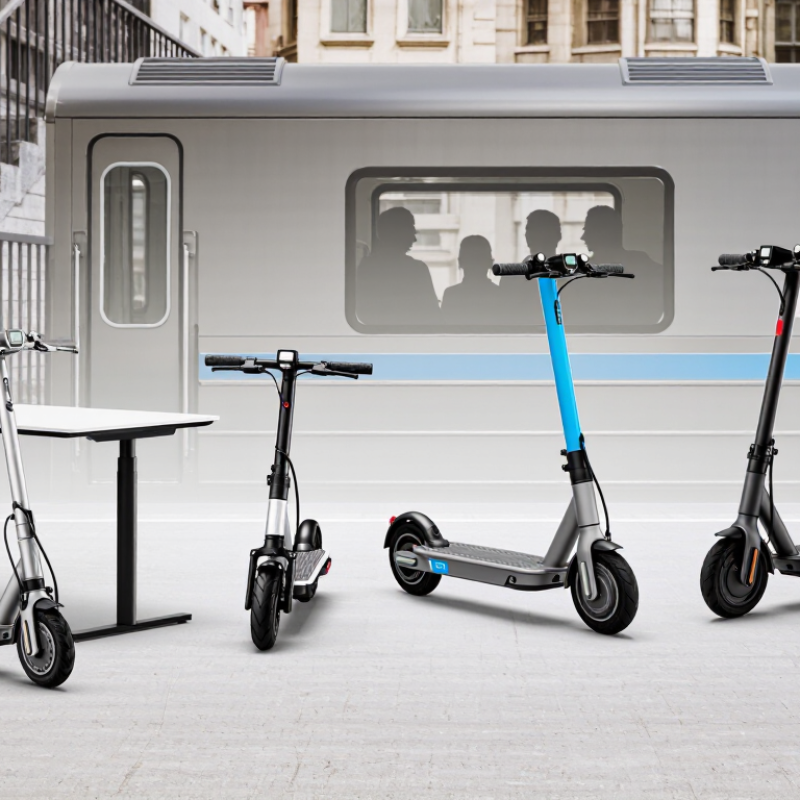
X A Folding Electric Scooter can make a crowded commute feel simpler: fold it beside your desk, carry it up a few steps, and avoid searching for a parking space. But convenience depends on details that showroom photos rarely show. A scooter weighing 30 pounds can feel heavy after several flights of stairs. A compact frame also means little if its latch rattles or its folded shape blocks a train aisle.
Demand for small electric rides sits within a growing micromobility landscape. NACTO’s Shared Micromobility in the U.S. and Canada: 2023 report recorded 133 million shared micromobility trips that year. The figure covers shared bikes and scooters, not personal foldable scooter sales. That distinction matters. It signals widespread use, but it cannot tell buyers which private model is reliable. Real-world range can also fall short of a brand’s estimate, especially on hills, in cold weather, or under heavier loads. Worth remembering.
This guide compares adult models through practical measures: folded dimensions, carry weight, braking, ride comfort, charging time, and independently documented safety features. We’ll also separate manufacturer claims from evidence where possible. No scooter suits every rider. A model that glides over smooth pavement may feel harsh on cracked sidewalks. The best choice is the one you can lift, store, and ride comfortably—not merely the one with the longest advertised range.
Top Folding Electric Scooters for Adults in 2026?
How Folding Electric Scooters for Adults Work
A folding electric scooter uses a hinge or joint in its frame to reduce its size for storage and carrying. Most designs release a latch near the steering column, allowing the handlebar stem to fold toward the deck. A locking catch then holds the scooter in its folded position. The exact steps vary, so check the maker’s instructions before trying a new mechanism. That small detail matters.
Folding changes the scooter’s shape, not how its electric drive works. A rechargeable battery supplies power to a motor, while a controller responds to the rider’s throttle and braking inputs. Cables and wires often pass through or near the folding joint. They should remain clear of the hinge and show no pinching or wear. Never force a stiff latch; dirt, poor alignment, or damage may be the cause.
For everyday use, the practical test is simple: can you fold and unfold it steadily, without trapping fingers or tugging cables? Check that the latch is fully engaged before riding, and that the stem feels secure. Some scooters are compact but still heavy to lift. Folding helps with a car trunk or office corner, but it does not make every model easy to carry. A quick inspection takes a little patience, and people sometimes skip it.
These are common examples of nominal battery-pack voltages, not a ranking or a specification shared by every scooter. The battery supplies power to the controller, which regulates electricity to the motor. Folding scooters use a separate hinge and locking latch to secure the steering column when riding; always check that the latch is fully engaged before use.
A folding scooter should fit the commute you actually make, not just the range printed on its box. Compare real-world range with your route, hills, rider weight, and weather. A larger battery can add distance, but also weight; lifting it onto a train or up apartment stairs may become tiring. Small details matter. Check the folded dimensions, carry points, and whether the latch feels secure and easy to inspect.
Braking and visibility deserve equal attention. Look for clear information about brake type, tire size, lighting, and water-resistance limits, rather than relying on vague claims. The U.S. Consumer Product Safety Commission recommends choosing micromobility products that meet applicable safety standards; UL 2272 addresses electrical systems for personal e-mobility devices. Certification is useful, not a guarantee against every fault. Ask how the battery is protected and whether replacement parts are available.
NACTO’s 2023 Shared Micromobility Report counted 67 million shared e-scooter trips in the United States and Canada, showing how widely scooters are used, though shared fleets do not represent every folding model. Compare published range and charging time with your daily needs, then consider total carry weight and warranty coverage. Range is not a promise. A spec sheet can still miss the awkward stairwell, loose pavement, or cramped storage corner that shapes daily use.
Top Folding Electric Scooters for Adults in 2026?
Top Folding Scooters by Range, Portability, and Performance
Choosing a folding scooter means balancing distance, carrying weight, and ride comfort. Advertised range is a starting point, not a promise. Cold weather, hills, frequent stops, and heavier loads can shorten a ride. Leave a practical reserve rather than planning around the maximum figure. A route with a steep bridge may reveal more than a flat test ride.
Portability depends on more than folded size. Check the scooter’s weight, latch security, and whether its folded shape fits your car trunk or office corner. Try lifting it for a few steps; a compact scooter can still feel awkward. For performance, look for predictable acceleration, reliable brakes, and tires suited to the surfaces you actually ride. Suspension may help on rough pavement, but it adds weight and maintenance. Trade-offs are real.
Tips: Measure your storage space before buying. Test the folding latch and carry handle in person, if possible. Check the manual for charging and maintenance guidance. And be honest about your commute: a slightly shorter range with easier carrying may work better every day.
Choosing a folding electric scooter starts with the route, not the advertised top speed. The U.S. Census Bureau’s 2023 American Community Survey reported an average one-way commute of 27.6 minutes. That is a useful reminder: even a short ride may include a train platform, stairs, or a wet sidewalk. For mixed commutes, check the folded dimensions and carry weight in person if possible. A scooter that fits beside your desk may be more useful than one with impressive range.
The National Association of City Transportation Officials counted 133 million shared micromobility trips in North America in 2023, including bicycles and scooters.
This shows strong use of short urban trips, but it does not prove every personal scooter suits every rider. For smooth, short routes, prioritize easy folding, predictable braking, and tires suited to the pavement. For longer commutes, compare real-world range claims with your distance, hills, temperature, and rider weight. Keep a reserve; published range can be optimistic. That part is easy to overlook.
Tips: Measure your storage space and weigh the scooter before buying. Test the folding latch, carry it one flight of stairs, and check whether the handlebar stays secure. For rough pavement, favor stable tires and a comfortable stance over a few extra miles of claimed range. If your route changes, your best choice might change too.
For a folding electric scooter, safety starts before the first ride. Check that the folding latch locks firmly and has no side-to-side play. Squeeze both brakes, inspect the tires, and test the lights in a quiet area. Wear a properly fitted helmet. A compact frame is convenient, but a loose latch or worn tire can make a short trip risky.
The U.S. Consumer Product Safety Commission’s 2023 report, Micromobility Products-Related Deaths, Injuries, and Hazard Patterns, 2017–2022, estimated 360,800 emergency-department-treated injuries involving micromobility products over six years. It also reported a 21% increase in estimated injuries in 2022 compared with 2021. These figures cover several product types, not scooters alone, but they make routine checks hard to dismiss. The CPSC advises choosing products certified to applicable safety standards by an accredited testing laboratory. Battery care matters, too: use the supplied charger, keep charging areas clear, and stop using a battery that is swollen or unusually hot.
Ownership has small, recurring costs. Check tire pressure and brake wear regularly, especially after wet rides or rough pavement. Keep the charging port dry, and let the scooter cool before charging. Folding hinges collect grit. They need attention. Measure the folded scooter against your stairs, storage space, and transit routine before buying; carrying it can feel heavier than the specification suggests. I’d still allow for occasional service or a replacement tire—many buyers forget that part.
| Scooter Type | Indicative Specifications* | Best Suited For | Safety Checks | Routine Maintenance | Ownership Considerations |
|---|---|---|---|---|---|
| Lightweight commuter | Often about 25–35 lb; commonly designed for shorter urban trips. Real-world range depends on rider weight, hills, temperature, speed, and battery condition. | Adults who need to carry or store a scooter frequently and have a modest daily distance. | Confirm the folding latch is fully locked before riding. Check lights, brakes, and tire condition; wear a properly fitted helmet. | Check tire pressure against the maker’s specification, inspect the latch and fasteners, and keep the scooter clean and dry. | Lower weight can make carrying easier, but a smaller battery may mean more frequent charging. Verify the folded size fits your storage space. |
| Everyday commuter | Often about 35–50 lb, with a balance of portability and ride comfort. Published range is a manufacturer estimate, not a guaranteed distance in everyday conditions. | Regular trips on paved streets, provided local rules permit scooter use on the planned route. | Test both brakes at walking speed before a trip. Use front and rear lights in low visibility and make yourself visible to other road users. | Inspect tires, brake response, cables, and folding hardware regularly. Follow the owner’s manual for adjustments and service intervals. | Check the scooter’s maximum load, warranty terms, replacement-part availability, and whether its battery can be removed for charging. |
| Comfort-focused commuter | Usually heavier than a compact carry-on design; may use larger tires or suspension. These features can improve comfort but do not remove the need to ride cautiously on uneven surfaces. | Adults prioritizing stability and comfort over frequent stair carrying or very compact storage. | Check that suspension parts, tires, and the folding mechanism show no looseness or damage. Slow down on wet, loose, or uneven surfaces. | Keep tires at the specified pressure and inspect suspension and brakes for wear. Have repairs performed by a qualified service provider when needed. | Larger or more complex components may add weight and repair cost. Confirm the scooter can be lifted and stored where you intend to use it. |
| Extended-range commuter | Typically has a larger battery and greater overall weight than a compact commuter. Actual range varies with speed, terrain, temperature, rider load, and battery age. | Longer journeys where charging access, carrying weight, and local regulations have been considered. | Check the battery enclosure and charging equipment for damage. Use only the supplied or manufacturer-approved charger, and follow the manual’s charging instructions. | Avoid riding with damaged electrical parts. Store and charge the battery as directed by the manufacturer; arrange service for unusual heat, swelling, or damage. | A larger battery can add weight and replacement cost. Compare the warranty, battery replacement options, and charging time before buying. |
| Compact last-mile scooter | Designed to fold for storage or mixed-mode travel; compactness can involve smaller wheels or a less spacious deck. | Short connections to public transport or trips where indoor storage space is limited. | Practice folding and unfolding safely. Ensure the stem and latch are secure before riding, and leave enough stopping distance for conditions. | Check the folding joint for play and follow the manual’s instructions for cleaning, lubrication, and fastener checks. | Measure the folded scooter and check transit or building policies. Small wheels can feel less stable on potholes and rough pavement. |

*Specifications are broad, non-brand-specific market descriptions, not guarantees for a particular scooter. Compare the exact model’s manual and tested specifications before purchase. Scooter access, speed limits, helmet rules, and equipment requirements vary by location; check local regulations.