• Products
  • Solutions
  • Support
  • Contact
  • Order OnlineOrder Online

Three Phase Power Meter Tips for Accurate Energy Monitoring and Savings

In today's rapidly evolving energy landscape, accurate energy monitoring has become more critical than ever. For industrial and commercial facilities that rely on substantial electrical loads, implementing effective energy management strategies can lead to significant cost savings and improved efficiency. One of the essential tools in achieving this goal is the three phase power meter. This device not only provides insights into energy consumption patterns but also aids in identifying potential areas for energy savings.

Understanding how to leverage the capabilities of a three phase power meter can result in more informed decision-making regarding energy usage. By accurately monitoring electrical consumption across three phases, businesses can make adjustments that enhance operational performance while reducing unnecessary expenditure. In this article, we will explore essential tips for utilizing three phase power meters effectively, spotlighting best practices that can lead to enhanced energy management and substantial cost reductions.

Three Phase Power Meter Tips for Accurate Energy Monitoring and Savings

Importance of Accurate Energy Monitoring in Industrial Settings

Three Phase Power Meter Tips for Accurate Energy Monitoring and Savings

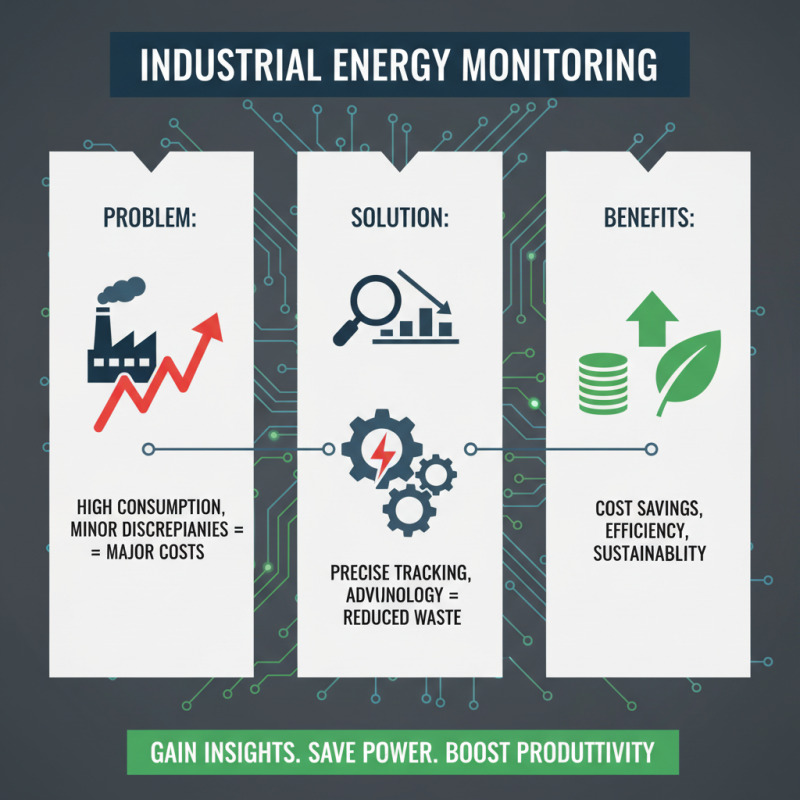
Accurate energy monitoring is essential in industrial settings, where even minor discrepancies in energy use can lead to significant operational costs. Industries consume large amounts of electricity, and precise tracking of energy consumption helps in identifying inefficiencies, reducing waste, and enhancing overall productivity. By leveraging advanced monitoring technologies, businesses can gain insights into their energy consumption patterns, enabling them to take informed actions towards energy conservation.

One key to effective energy monitoring is deploying a three-phase power meter. These meters provide detailed visibility into the energy consumption of each phase, allowing operators to pinpoint areas where energy usage is excessively high. Additionally, regularly calibrating and maintaining these meters ensures their reading accuracy. Companies should also consider integrating energy management systems that can analyze data in real-time, helping to detect anomalies and adjust operational parameters accordingly.

In addition, investing in employee training is crucial. Educating staff on the importance of energy conservation and how to interpret meter readings can foster a culture of sustainability within the organization. Regularly reviewing energy usage data can motivate teams to implement energy-saving measures and contribute to overall cost reductions. By prioritizing accurate energy monitoring, industries can not only cut costs but also minimize their environmental impact, positioning themselves as responsible energy consumers.

Understanding the Basics of Three Phase Power Meters

Three-phase power meters are essential tools for monitoring energy consumption in industrial and commercial settings. Understanding the basics of how these meters operate can significantly enhance energy management strategies. Unlike single-phase meters, three-phase units can measure the current and voltage across three different phases simultaneously, providing a comprehensive overview of energy usage. Research indicates that facilities using three-phase systems can improve energy efficiency by as much as 30%, making it crucial for businesses to invest in proper monitoring.

To effectively use three-phase power meters for accurate energy monitoring, consider these tips: First, ensure that the installation aligns with the meter's specifications, as improper connections can lead to inaccurate readings. Regular calibration of the meter is also essential; studies show that devices that are not calibrated can deviate by up to 5%, resulting in significant financial losses over time. Additionally, implementing a routine check on peak demand settings can help businesses identify anomalies in energy consumption, leading to better cost management.

Finally, leverage the data collected by these meters to conduct a thorough energy audit. According to industry reports, companies that perform regular audits can identify energy-saving opportunities that yield a return on investment upwards of 20%. Utilizing this information to adjust operational strategies not only helps in reducing costs but also contributes to a more sustainable business model.

Key Features to Look for in a Power Meter for Reliability

When selecting a power meter for three-phase energy monitoring, it's essential to focus on key features that ensure reliability and accuracy. One of the most critical aspects is measurement precision. A reliable power meter should have the capability to provide accurate readings for not just voltage and current, but also power factor, total harmonic distortion, and energy consumption over time. Consider models with high sampling rates and advanced algorithms, as these can greatly enhance the precision of the measurements, allowing for better energy management and more-informed decisions regarding consumption.

Another important feature to look for is the ability to monitor and record data in real-time. This offers immediate insight into energy use and potential inefficiencies. The power meter should have a user-friendly interface or software that allows easy access to data. Additionally, options for remote monitoring can be beneficial, enabling users to track their energy consumption from off-site locations. Durability and the ability to withstand environmental factors such as temperature fluctuations and humidity are also crucial, as these contribute to long-term performance and reliability of the device. Ensuring that the power meter you choose meets these criteria will significantly enhance your ability to monitor energy consumption accurately and achieve cost savings over time.

Three Phase Power Meter Tips for Accurate Energy Monitoring and Savings - Key Features to Look for in a Power Meter for Reliability

Feature Description Importance Sample Value
Accuracy Measurement precision to ensure correct billing and energy monitoring. High - Prevents revenue loss and ensures fair billing. ±0.5% of reading
Data Logging Capability to record energy consumption data over time for analysis. Medium - Essential for trend analysis and identifying savings. Up to 12 months
Communication Protocols Support for various communication methods like Modbus, Ethernet, etc. High - Facilitates integration with existing systems. Modbus RTU, TCP/IP
User Interface Ease of use for monitoring and configuring settings. Medium - A user-friendly interface reduces training time. LCD display with backlight
Overload Protection Protects the meter from damage due to excessive current or voltage. High - Ensures longevity and reliability of the device. Rated for 120% of maximum capacity
Compliance and Certification Meets national and international standards for safety and performance. High - Ensures trustworthiness and regulatory compliance. IEC 62053-21

Tips for Proper Installation and Configuration of Energy Meters

Proper installation and configuration of energy meters are crucial for achieving accurate energy monitoring and maximizing savings. Start by selecting a suitable location for the meter installation, ideally close to the power source and away from any sources of electromagnetic interference. This ensures that the readings are as precise as possible. Additionally, make sure that the meter is installed at a height that makes it easily accessible for maintenance and readings. Pay attention to the manufacturer’s guidelines regarding wiring and connection to ensure both safety and functionality.

Once installed, careful configuration of the energy meter is essential to optimize its performance. This includes setting the correct parameters such as voltage, current ratings, and load types. Calibration should be performed according to the specifications to ensure the meter reads values accurately. Regularly reviewing and updating the meter settings, particularly in changing operational conditions, can further enhance the device's efficiency. Implementing these measures not only contributes to precise energy consumption data but also plays a significant role in identifying areas for potential energy savings.

Three Phase Power Consumption Analysis

Analyzing Data from Power Meters for Cost Savings and Efficiency

Three Phase Power Meter Tips for Accurate Energy Monitoring and Savings

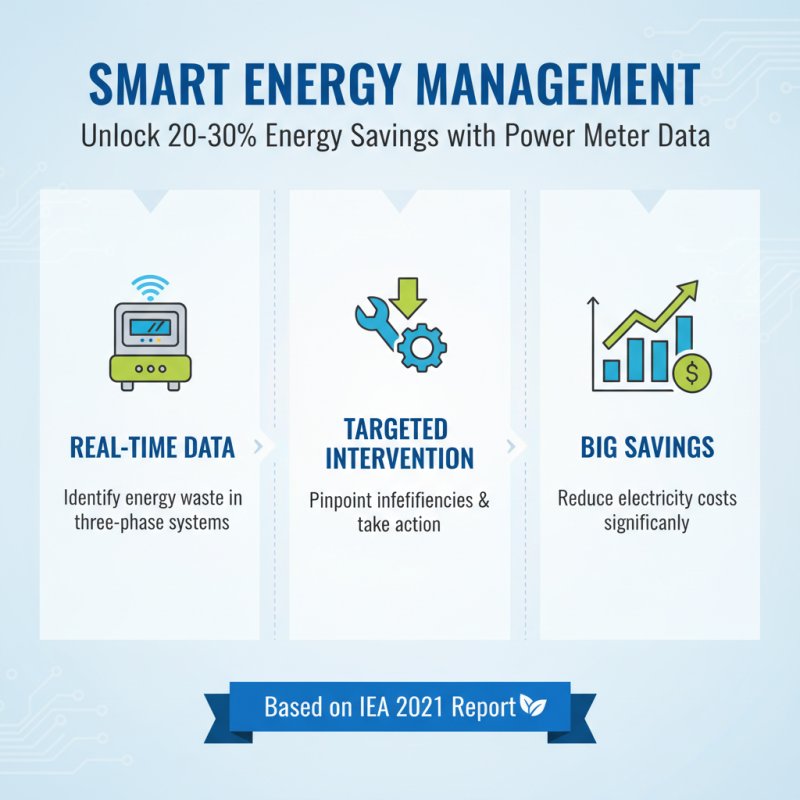
Analyzing data from power meters is essential for identifying cost savings and enhancing operational efficiency in three-phase systems. A 2021 report from the International Energy Agency highlighted that businesses could realize up to 20-30% energy savings through effective monitoring and management of their energy consumption. By leveraging real-time data provided by power meters, organizations can pinpoint specific areas where energy is being wasted, allowing for targeted interventions that lead to significant reductions in electricity costs.

The implementation of advanced power metering technology not only serves to track energy consumption but also provides insights into patterns and peak usage times. According to the U.S. Department of Energy, facilities that analyze their power usage data can optimize their energy dependence by up to 15%. This analysis can facilitate demand response strategies, where businesses reduce their energy usage during peak periods, further lowering operational costs. By adopting a proactive approach to energy management, companies can make informed decisions that contribute to both cost efficiency and sustainability.