Why You Should Choose a Three Phase Energy Meter for Efficient Energy Management
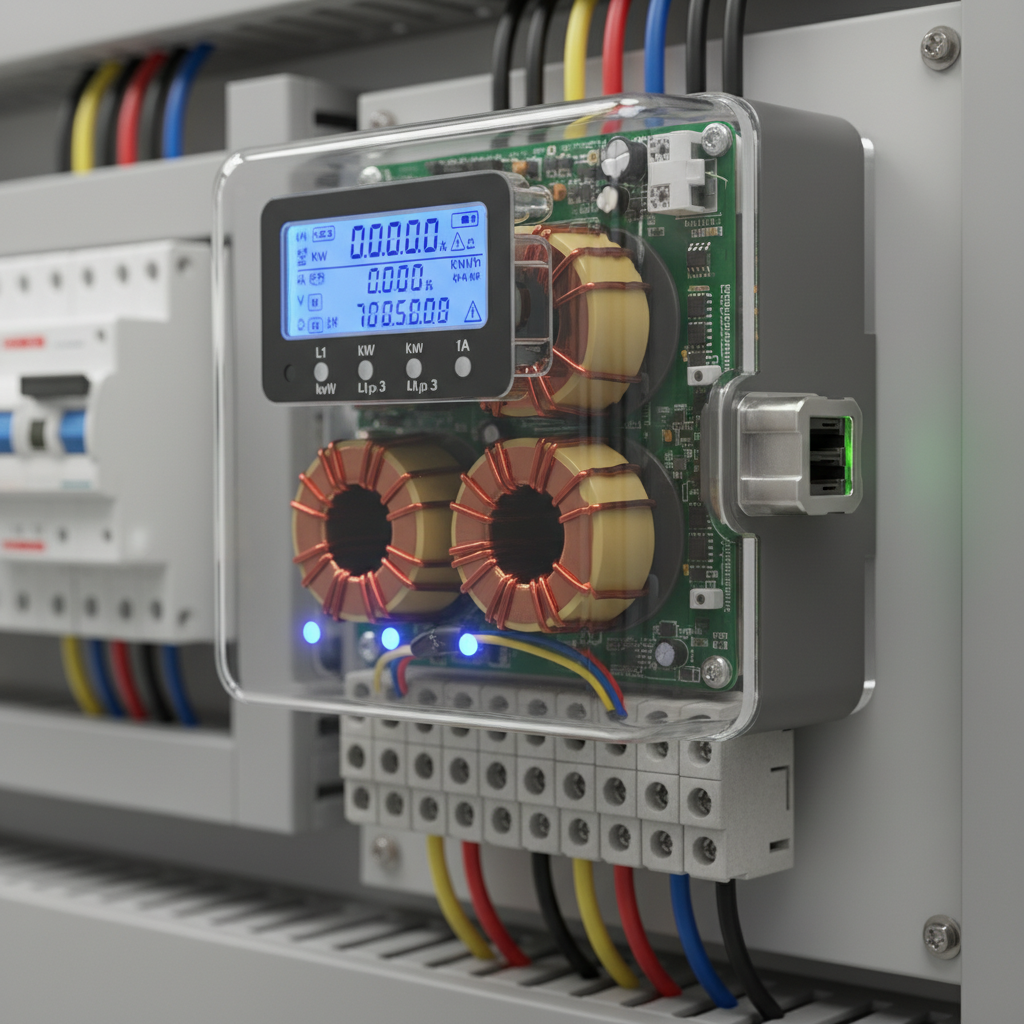
In today's world, where energy efficiency and management have become paramount, the choice of the right energy metering technology plays a crucial role in optimizing energy consumption. A three phase energy meter stands out as an essential tool for businesses and facilities seeking to streamline their energy usage and enhance overall operational efficiency. Unlike single-phase meters, three phase energy meters provide a comprehensive view of energy consumption across three electrical phases, enabling users to identify patterns, peak usage times, and areas of waste.
This advanced metering solution not only aids in precise monitoring but also empowers organizations to implement more effective energy-saving strategies. By capturing the nuances of energy flow in three-phase systems, these meters facilitate better load balancing, reduced energy costs, and compliance with regulatory standards. As industries evolve and the demand for sustainable practices intensifies, understanding the benefits of a three phase energy meter is critical for anyone looking to achieve an efficient energy management framework.
Benefits of Three Phase Energy Meters for Energy Management
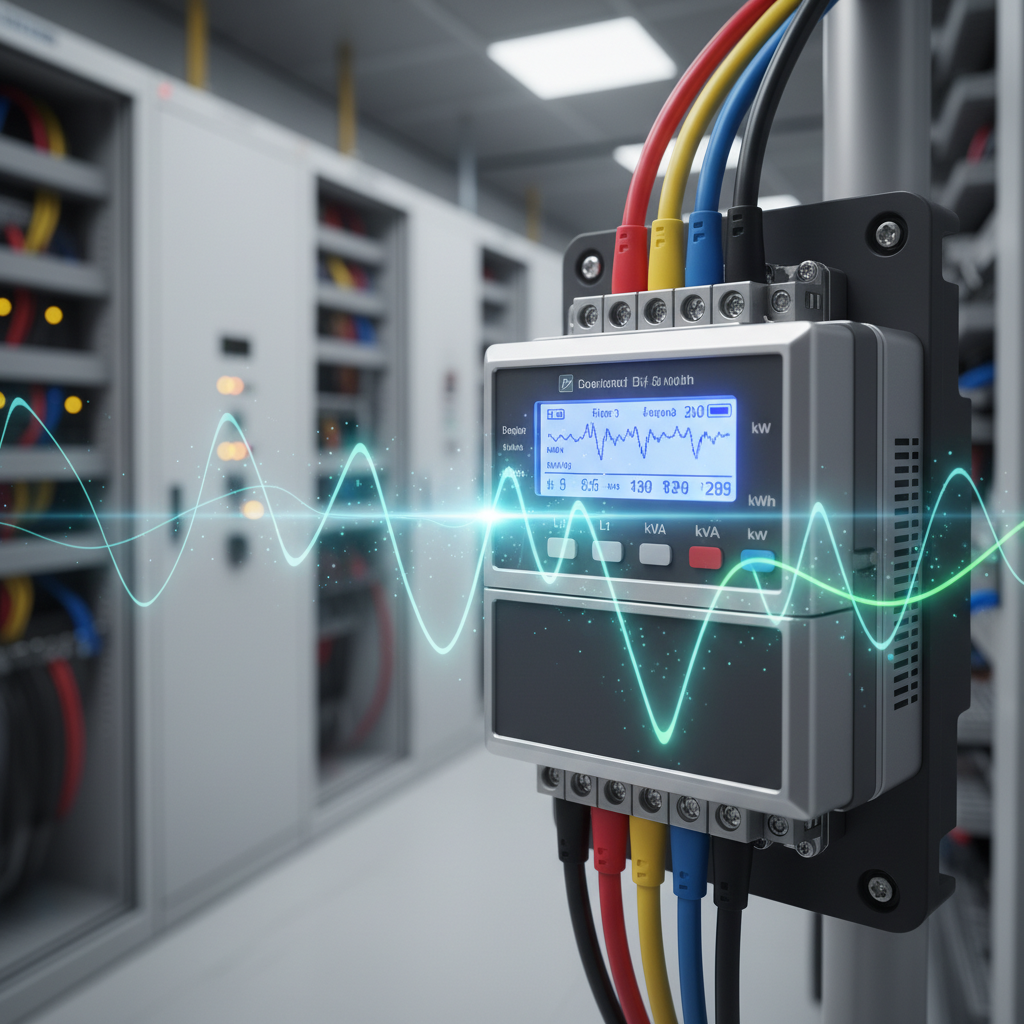
Three-phase energy meters are essential for efficient energy management, especially in industrial and commercial settings. These meters are designed to monitor and measure electrical consumption in three-phase power systems, which is the standard for most large-scale electrical installations. One of the primary benefits of using a three-phase energy meter is its ability to provide precise measurements of power consumption, allowing businesses to monitor their energy use more effectively. Accurate data helps in identifying energy wastage and implementing strategies to reduce costs.
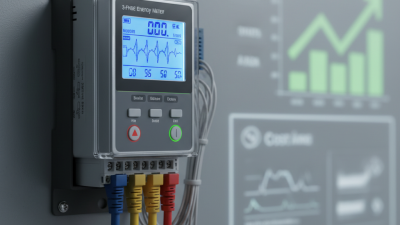
**Tips:** To maximize the benefits of your three-phase energy meter, consider regular calibration to ensure precision. Additionally, integrating your meter with energy management software can help visualize usage patterns and identify peak demand periods, enabling better decision-making.
Another significant advantage of three-phase energy meters is their capability to monitor power quality parameters such as voltage imbalance and harmonic distortion. Keeping an eye on these factors can prevent equipment damage and prolong the lifespan of machinery. By maintaining high power quality, businesses can optimize their operational efficiency, reducing downtime and maintenance costs.
**Tips:** Regularly review the data collected from your energy meter to spot trends and anomalies. This practice will aid in proactive maintenance and energy-saving initiatives.
Energy Consumption Analysis with Three Phase Energy Meters
Understanding the Functionality of Three Phase Energy Meters
Three phase energy meters are essential tools for efficient energy management, especially in industrial and commercial settings where electricity consumption can be significant. These meters measure the electrical energy consumed over three separate phases, allowing for a thorough analysis of power usage. By capturing data on voltage, current, and power factor across each phase, they provide a comprehensive view of energy consumption patterns, which can help stakeholders identify areas for efficiency improvements and cost savings.
One of the key functionalities of three phase energy meters is their capability to detect imbalances in the electrical load. An uneven distribution of energy across phases can lead to increased energy costs and potential equipment failures. By monitoring these imbalances, businesses can take corrective actions to ensure an equitable load distribution, thus enhancing the overall efficiency of their electrical systems. Additionally, the real-time monitoring feature of these meters facilitates proactive maintenance, helping to prevent outages and reduce downtime, ultimately contributing to more reliable energy management strategies.
Comparing Three Phase and Single Phase Energy Meters
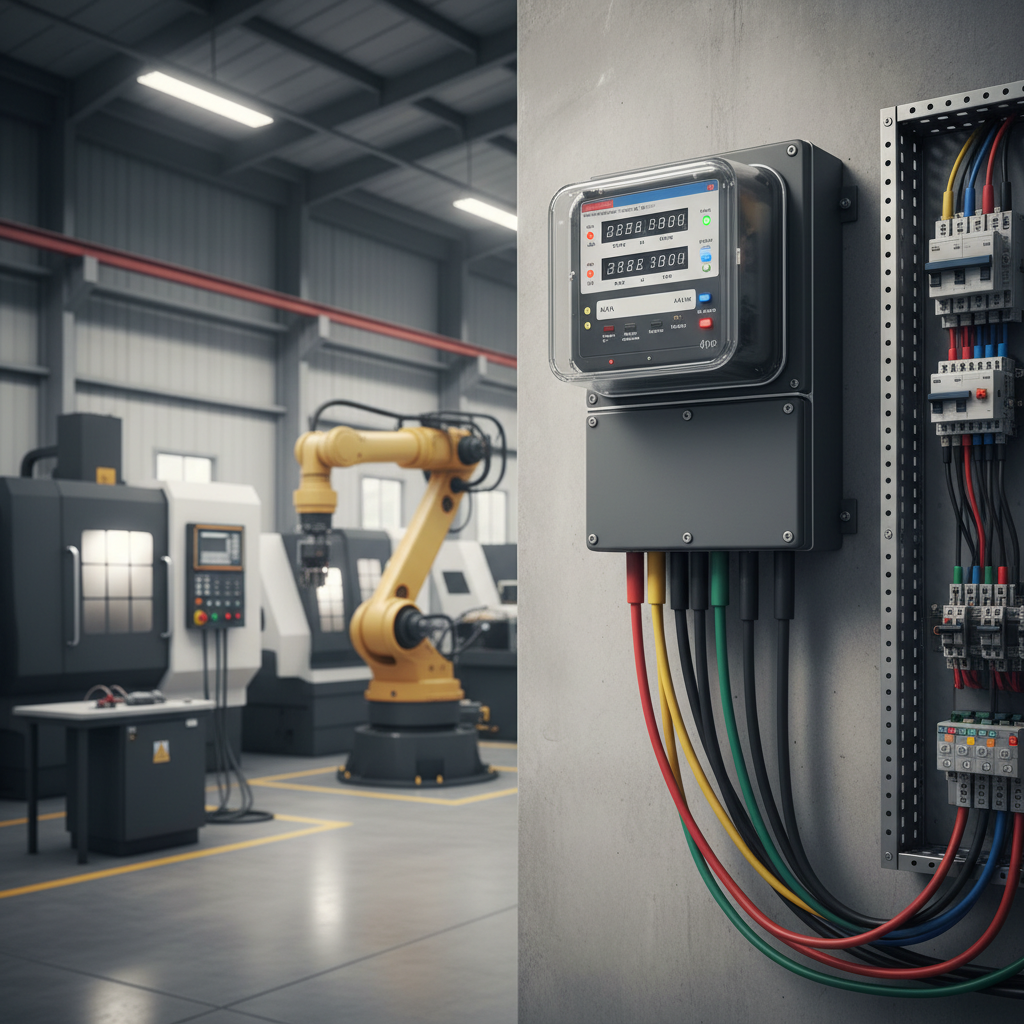
When it comes to energy management, understanding the differences between three phase and single phase energy meters is crucial for efficiency. Three phase energy meters are designed to handle more power and are ideal for industrial settings or large commercial operations where heavy machinery requires a consistent power supply. These meters measure energy consumption across three alternating currents, providing a balanced load which minimizes fluctuations and energy losses. This can result in reduced operational costs and improved performance for businesses with high energy demands.
In contrast, single phase energy meters cater to residential or smaller commercial spaces where energy needs are modest. They measure consumption from a single alternating current, which may lead to inefficiencies when used in larger applications. As power demand increases in such environments, a single phase meter can struggle to maintain stability, often leading to higher costs and potential equipment damage. Therefore, for efficient energy management, opting for a three phase meter can lead to significant advantages in terms of reliability, cost-effectiveness, and overall energy efficiency.
Key Features to Look for in a Three Phase Energy Meter
When selecting a three-phase energy meter for efficient energy management, there are several key features that should be prioritized. First, consider the meter's accuracy, which is crucial for precise energy consumption measurements. An accurate meter minimizes billing disputes and ensures users pay only for what they consume. Next, look for meters that offer advanced data communication capabilities. This allows for real-time monitoring and performance analytics, enabling users to identify consumption patterns and make informed decisions about energy usage.
Additionally, features such as built-in load profiling and demand management functionalities are essential for optimizing energy consumption. These features help in identifying peak usage times and encourage users to shift their consumption to off-peak hours, ultimately leading to cost savings. Lastly, ensure that the energy meter is IoT-enabled, facilitating seamless integration with smart home systems and providing enhanced control over energy management. With the growing emphasis on energy efficiency and sustainability, investing in a three-phase energy meter equipped with these features will contribute to more effective energy management strategies.
Implementing Three Phase Energy Meters in Commercial Settings
Implementing three phase energy meters in commercial settings is a critical step towards optimizing energy consumption and enhancing operational efficiency. These meters provide a comprehensive overview of energy usage across different phases, enabling businesses to detect imbalances and inefficiencies in their power consumption. According to a study by the U.S. Department of Energy, companies that utilize advanced energy metering can achieve energy savings of 10-20% by identifying usage patterns and making informed decisions about energy management.
Moreover, three phase energy meters facilitate more accurate billing processes and allow for better demand forecasting. Businesses can leverage real-time data to adjust their energy usage based on peak demand periods, which not only reduces operational costs but also plays a role in mitigating grid stress during high-demand periods. A report from the International Energy Agency highlights that integrating smart metering technologies, such as three phase energy meters, can lead to improved energy management practices, contributing to a potential reduction in overall energy consumption by up to 15% in the commercial sector.
Adopting three phase energy meters not only supports cost-effective energy usage but also aligns with sustainability goals. With more businesses prioritizing green operations, having detailed insights from three phase energy metering can help in implementing measures that reduce carbon footprints, making it a win-win for both the environment and the company’s bottom line.
 X
X