What is a Three Phase Energy Meter and How Does It Work
The advent of modern energy management has led to an increased reliance on advanced metering technologies, particularly the three phase energy meter. This device plays a critical role in accurately measuring electrical consumption in industrial and commercial settings where three-phase power systems are prevalent. According to a recent report from the International Energy Agency, the global market for advanced metering infrastructure is projected to reach $33 billion by 2025, underscoring the growing importance of efficient energy monitoring solutions.
Dr. Emily Carter, an industry expert in electrical engineering, emphasizes the significance of the three phase energy meter in energy management: “Understanding how three phase energy meters operate is crucial for optimizing power consumption and improving energy efficiency in large facilities.” This statement reflects the need for businesses to adopt precise metering technologies as they navigate the complexities of energy usage and sustainability measures. As energy costs continue to rise, integrating a three phase energy meter is not just a matter of compliance, but a strategic initiative that can lead to significant operational savings.
In this exploration of three phase energy meters, we will delve into their operational principles, benefits, and the role they play in shaping a more energy-efficient future. By understanding these systems, industries can take proactive steps towards reducing energy waste while enhancing their overall performance.
What is a Three Phase Energy Meter?
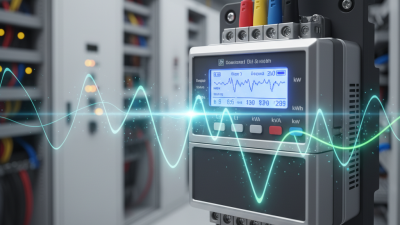
A three-phase energy meter is an essential device utilized for measuring electrical energy consumption in three-phase power systems, which are commonly employed in industrial and commercial settings. This type of meter supports balanced loads, enhancing efficiency and reducing the overall power loss. According to industry reports, three-phase systems account for approximately 70% of the global electricity distribution, highlighting the significance of accurate measurement in managing energy usage and costs.
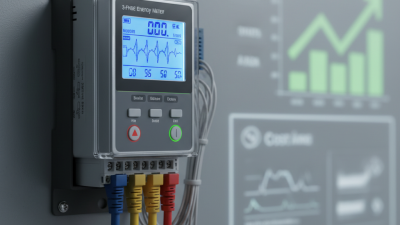
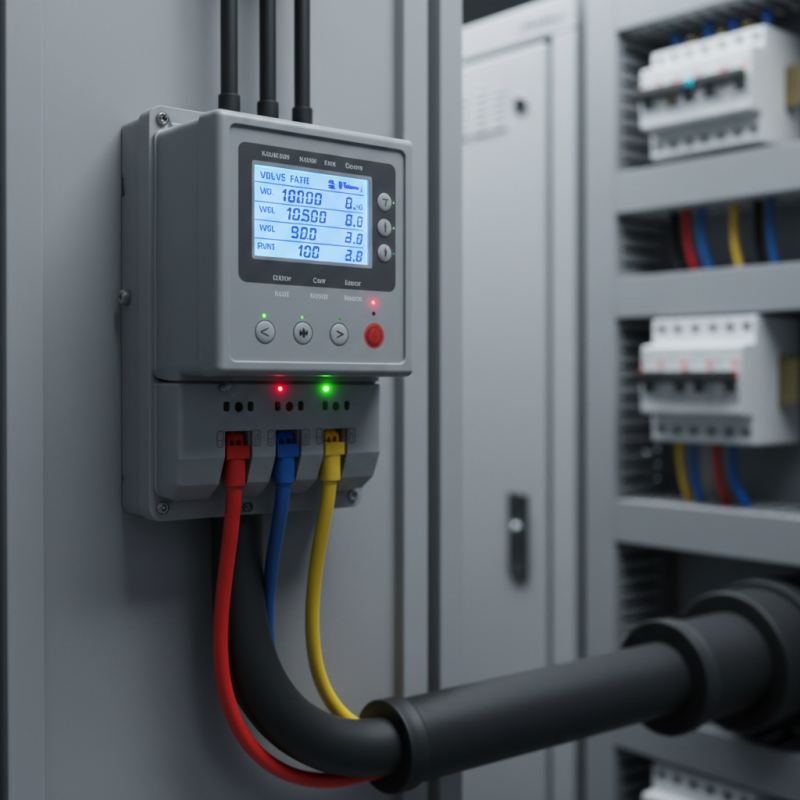
Operating on the principle of electromagnetic induction or electronic measurement, a three-phase energy meter records the voltage, current, and phase angle to calculate the consumed energy. It typically features three current transformers corresponding to each phase and can provide readings in kilowatt-hours (kWh). With the rising demand for energy efficiency and the integration of renewable energy sources, these meters are increasingly becoming integrated with smart technology, allowing for real-time monitoring and data analytics.
Tips: When choosing a three-phase energy meter, ensure it complies with the local regulations and standards. Regular calibration and maintenance can significantly enhance measurement accuracy and prolong meter lifespan. Additionally, utilizing advanced features like remote monitoring can lead to better energy management and reduced operational costs.
Three Phase Energy Meter Data Representation
This chart illustrates the energy consumption recorded by a three-phase energy meter over a week. The data shows daily energy usage in kilowatt-hours (kWh) for each phase, providing insight into consumption patterns.
Key Components of a Three Phase Energy Meter
A three-phase energy meter is designed to measure the electrical energy consumption in three-phase systems, commonly used in industrial and commercial applications. Understanding its key components is essential to grasp how it operates effectively.
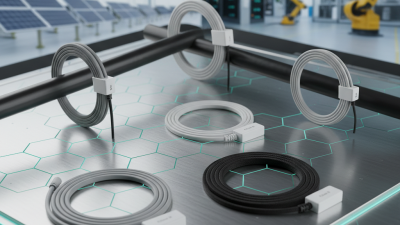
One of the primary components of a three-phase energy meter is the current transformer (CT), which measures the current flowing in the electrical circuit. CTs enable safe measurement of high currents by producing a proportional lower current. Another essential component is the voltage transformer (VT), which reduces high voltage levels to a manageable range for accurate measurement. These transformers play a critical role in ensuring the meter's safety and precision.
The meter also includes a microprocessor or microcontroller, which processes the data collected by the CTs and VTs. This component performs calculations to determine overall power consumption and can provide information on energy usage patterns. Additionally, three-phase energy meters often feature digital displays for real-time monitoring and data logging capabilities, allowing users to track energy consumption over time, which is crucial for energy management strategies and cost-reduction measures.
What is a Three Phase Energy Meter and How Does It Work - Key Components of a Three Phase Energy Meter
| Component |
Description |
Function |
| Voltage Transformer |
Reduces high voltage to a manageable level |
Ensures accurate voltage measurement |
| Current Transformer |
Measures the current flowing in the circuits |
Provides current values for energy calculation |
| Microcontroller |
Processes data collected from sensors |
Calculates energy usage and records data |
| Display Unit |
Displays real-time energy consumption |
Offers user-friendly interface for monitoring |
| Communication Module |
Facilitates data communication |
Enable remote reading and management |
Working Principle of Three Phase Energy Meter
A three-phase energy meter is a device used to measure the consumption of electrical energy in three-phase systems, which are commonly found in industrial and commercial settings. The working principle of a three-phase energy meter revolves around the detection of voltage and current in each of the three phases, allowing it to calculate the total energy consumed over time. Each phase is monitored separately, and the meter typically employs a rotating disc or digital electronics to track and display the cumulative usage.
The meter operates by sensing the voltage and current of each phase and calculating the power using the formula: Power (P) = Voltage (V) × Current (I) × √3 (for three-phase systems). By integrating this power over time, the meter can determine the total energy consumed in kilowatt-hours (kWh). Accuracy is crucial, and many three-phase energy meters are designed to maintain precise measurements, even under varying load conditions.
**Tips:** When selecting a three-phase energy meter, consider factors like the measurement range, accuracy rating, and additional features such as data logging and remote monitoring capabilities. Proper installation and calibration are essential for optimal performance, so ensure that qualified personnel handle the setup to prevent potential inaccuracies in energy consumption readings. Regular maintenance checks can also help in sustaining the meter's reliability over time, saving costs on future repairs or replacements.
Common Applications of Three Phase Energy Meters
Three-phase energy meters are essential in various applications where three-phase electrical systems are used. These meters are commonly found in industrial settings, commercial buildings, and large-scale facilities that require significant energy consumption. One of the primary applications is in manufacturing plants, where heavy machinery operates continuously. The ability to accurately measure energy usage ensures that businesses can optimize their operations and manage energy costs effectively.
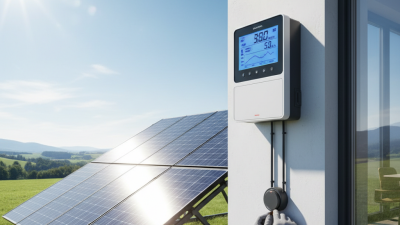
Another common application of three-phase energy meters is in commercial buildings such as office complexes and shopping centers. These meters facilitate the monitoring of energy consumption across multiple units, enabling property managers to identify trends and implement energy-saving measures. Additionally, in the renewable energy sector, three-phase energy meters are vital for managing energy flows from wind turbines and solar power installations, ensuring that energy production aligns with consumption needs. This versatility makes three-phase energy meters a crucial component in modern electrical systems, supporting efficient energy management across various industries.
Advantages of Using Three Phase Energy Meters
Three-phase energy meters play a crucial role in the efficient measurement of electricity consumption in industrial and commercial applications. One of the primary advantages of using these meters is their ability to handle higher loads effectively. Unlike single-phase meters, three-phase meters can measure the energy usage of three supply lines simultaneously, making them ideal for businesses that require significant power. This capability not only ensures accurate measurement but also provides a more stable and consistent power supply.
Another notable benefit of three-phase energy meters is their enhanced accuracy in recording energy consumption. These meters utilize advanced technology to deliver precise readings, minimizing the discrepancies that can arise from fluctuating loads. This accuracy helps businesses manage their energy usage better, leading to informed decision-making about consumption patterns and cost-saving opportunities. Additionally, by enabling utilities to monitor demand more effectively, three-phase energy meters contribute to better grid stability and efficiency. As organizations increasingly turn to smart technology for monitoring and management, the role of these meters becomes even more significant in optimizing energy use and reducing operational costs.
 X
X