What is a PT1000 RTD Sensor and How Does It Work?
The PT1000 RTD Sensor is a crucial component in temperature measurement. It offers high accuracy and reliability. Dr. Emily Carter, a leading expert in sensor technology, emphasizes its value: "The PT1000 RTD Sensor transforms temperature data into actionable insights." This sensor is widely used in various industries including food processing and pharmaceuticals.
Understanding how a PT1000 RTD Sensor works can seem complex. Yet, its principles are based on simple physics. When temperature changes, the resistance in the sensor varies. This change allows it to provide precise temperature readings. For many applications, this precision is essential.
However, challenges exist in deploying these sensors. Calibration errors can lead to incorrect readings. Environmental factors may also affect performance. Such issues underline the importance of proper installation and regular maintenance. By addressing these aspects, users can fully leverage the PT1000 RTD Sensor’s capabilities for better outcomes.
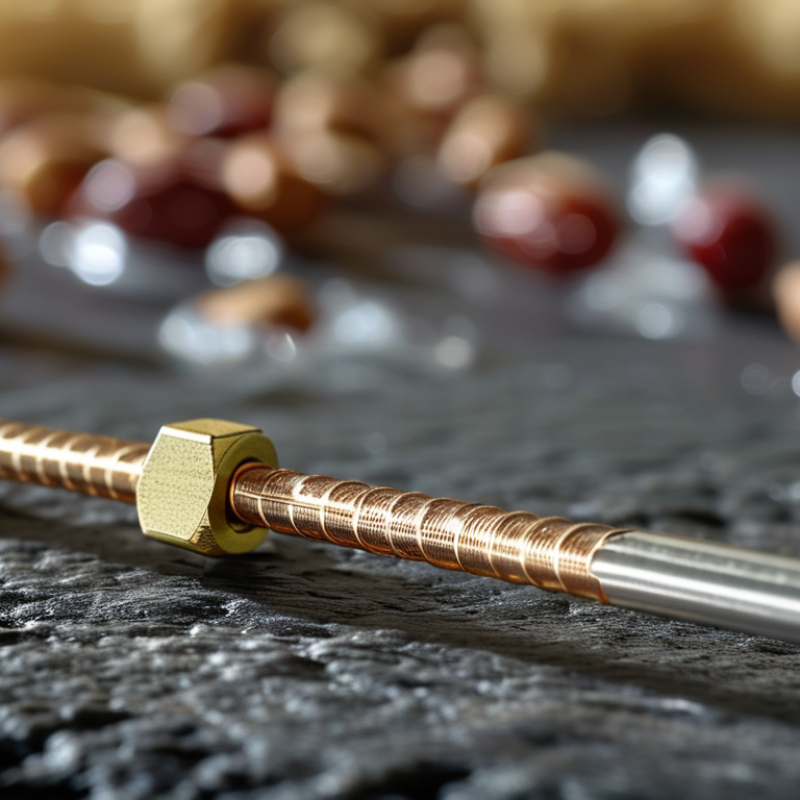
What is a PT1000 RTD Sensor?
A PT1000 RTD sensor is a temperature-sensing device that is widely used in industrial applications. The "PT" in PT1000 stands for platinum, a material chosen for its stable and repeatable electrical resistance characteristics. The number "1000" indicates that the sensor has a resistance of 1000 ohms at 0 degrees Celsius. PT1000 sensors operate on the principle that the electrical resistance of platinum changes in a predictable manner with temperature. This makes them incredibly accurate, often achieving an accuracy of ±0.1°C in controlled environments.
These sensors have a temperature range that typically spans from -200°C to +850°C. Their capability to measure such extreme temperatures, coupled with their reliability, makes them ideal for critical processes. According to industry reports, the global RTD sensor market is projected to grow at a CAGR of over 6% through 2025, reflecting the increasing demand for precise temperature measurement in sectors such as food processing, pharmaceuticals, and environmental monitoring.
Understanding the importance of installation is crucial. Sensor placement significantly affects accuracy. If installed incorrectly, the readings may be skewed. Accurate calibration is also essential for real-world applications. It is wise to regularly check the calibration against known standards. Proper maintenance can ensure longevity and reliable performance of the PT1000 sensor, making it a favorite in many temperature-sensitive industries.
Key Features of PT1000 RTD Sensors
PT1000 RTD sensors are vital in temperature measurement. They are known for their accuracy and reliability. With a resistance of 1000 ohms at 0 °C, they display excellent linearity. This makes them suitable for various applications, from industrial processes to laboratory settings. The sensitivity of PT1000 sensors to temperature changes allows for precise readings. Reports indicate that they maintain accuracy within ±0.1 °C in many conditions, which is crucial for applications requiring stringent temperature control.
One of the key features of PT1000 RTD sensors is their stability over time. They resist drift, meaning their outputs remain consistent. This reliability minimizes the need for frequent recalibrations, saving both time and resources. Another feature is their wide measurement range. Many models operate effectively from -200 °C to 850 °C, making them versatile for different industries. However, it’s essential to choose the right wire configuration to match the specific application requirements.
Testing the sensor’s response time is crucial. In some cases, a slower response can lead to inaccurate readings during rapid temperature changes. Regular maintenance checks can help assess performance consistency. Monitoring environmental conditions is also important. High humidity or contaminants can affect the sensor function. Understanding these factors will enhance the overall reliability of PT1000 RTD sensors in your application.
Temperature Sensitivity of PT1000 RTD Sensors
This chart illustrates the relationship between temperature and resistance for PT1000 RTD sensors. As the temperature increases, the resistance value of the sensor also changes, allowing for accurate temperature measurement.
How PT1000 RTD Sensors Measure Temperature
PT1000 RTD sensors are highly precise temperature measuring devices. They utilize a resistance temperature detector (RTD) element made of pure platinum. The number "1000" indicates that the sensor has a resistance of 1000 ohms at 0 degrees Celsius. This unique property makes PT1000 sensors ideal for a range of industrial applications.
These sensors measure temperature by monitoring changes in electrical resistance. As temperature increases, the resistance of the platinum wire also rises. This change is predictable and can be calibrated to provide accurate temperature readings. The measurement occurs through a simple circuit that assesses the resistance and converts it into a temperature value. This process allows for real-time temperature monitoring in environments that require precise control.
The reliability of PT1000 sensors is notable. They offer stability and can function effectively in various conditions. However, their accuracy can be compromised if not calibrated regularly or if they experience physical damage. Understanding the working principles of RTD sensors helps ensure optimal performance. Regular maintenance and assessment of their condition are essential for effective temperature measurement.
Applications of PT1000 RTD Sensors in Industry
PT1000 RTD sensors are widely used in various industrial applications due to their reliability and accuracy in measuring temperature. These sensors operate based on the principle that the resistance of metals changes with temperature. In many industries, precise temperature control is critical for processes like manufacturing, food processing, and pharmaceuticals.
In the food industry, PT1000 sensors play a crucial role in monitoring cooking temperatures to ensure safety and quality. They help maintain sustainable temperatures within storage environments, preventing spoilage. In chemical processing, accuracy in temperature readings can significantly impact reactions and improve safety. This sensor's quick response time allows industries to adapt promptly to temperature fluctuations.
However, some challenges exist. PT1000 sensors can be sensitive to electrical noise, which may affect readings. Proper installation and calibration are vital to ensure consistent performance. Additionally, in environments with extreme temperatures, sensor longevity can become an issue. Evaluating the conditions and integrating them into a regular maintenance schedule can help mitigate these challenges and ensure reliable data.
Advantages and Limitations of Using PT1000 RTD Sensors
PT1000 RTD sensors are widely recognized for their precision in temperature measurement. They utilize a resistance temperature detector (RTD) principle, where the resistance of platinum changes with temperature. This allows for accurate readings across a broad range. However, like any technology, they have their strengths and weaknesses.
One major advantage of PT1000 sensors is their stability. They provide reliable readings over time. This makes them ideal for industrial applications, where consistent performance is crucial. Another benefit is their wide temperature range. They can function effectively from -200 to 850 degrees Celsius. That versatility makes them suitable for various environments.
On the downside, PT1000 sensors can be more expensive than traditional thermistors. This can be a barrier for some projects, especially in budget-sensitive environments. Additionally, while they are precise, they can be sensitive to mechanical vibrations. This may lead to inaccurate readings in some settings. Users should consider these limitations when choosing their measurement solutions. Selecting the right sensor is critical for success in any temperature monitoring application.
 X
X