What is a Lithium Battery Car and How Does it Work?
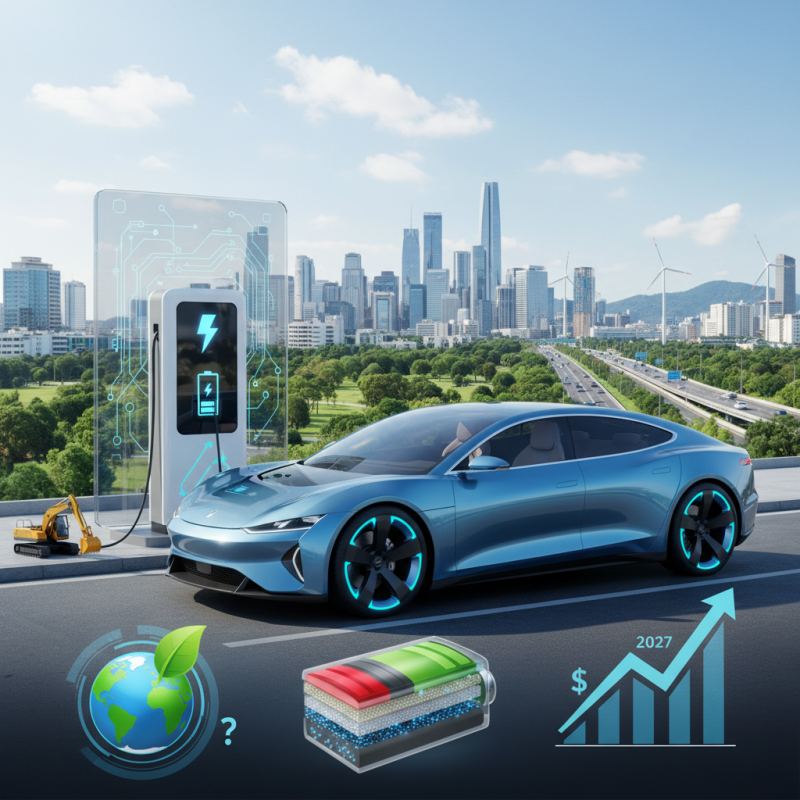
The rise of the Lithium Battery Car signifies a major shift in the automotive sector. In 2021, electric vehicles (EVs) made up around 10% of global car sales, largely driven by lithium batteries. This trend highlights consumer demand for sustainable energy. As the automotive industry evolves, lithium battery technology remains at the forefront.
Lithium-ion batteries are essential for powering electric vehicles efficiently. They provide high energy density, which translates to longer driving ranges. However, production poses challenges. Acquiring lithium can lead to environmental concerns, including resource depletion. In some regions, ethical mining practices are still under scrutiny.
Despite these issues, interest in Lithium Battery Cars continues to grow. Analysts project that the global EV market will reach $800 billion by 2027. Innovation in battery technology plays a crucial role in this expansion. Nevertheless, addressing the environmental impact remains crucial for sustainability. Balancing advancements with responsible practices is key to a brighter future.
What is a Lithium Battery Car?
A lithium battery car utilizes lithium-ion batteries for power. These batteries are rechargeable and increasingly popular in electric vehicles. Their lightweight design makes them efficient for automotive use. With a typical range of 200-300 miles, drivers enjoy longer journeys without frequent charges. However, charging times can vary based on the power source. Finding a quick charging station might be challenging in some areas.
The chemistry behind a lithium battery is fascinating yet complex. Lithium ions flow between the anode and cathode during discharge and charge cycles. This movement produces electric current. While lithium batteries are efficient, they have limitations. Over time, their capacity decreases. Some drivers may notice reduced range as the battery ages. Maintenance of these batteries requires careful attention. Improper handling can lead to safety issues and performance drop.
Despite their advantages, lithium battery cars face challenges. Battery disposal is an environmental concern. Finding sustainable solutions is crucial for the future. As innovations continue, the performance might improve, but there's still a long way to go. Recognizing these flaws helps in pushing for better technologies in the automotive industry.
The Structure and Components of a Lithium Battery Car
Lithium battery cars are revolutionizing the automotive industry. Their structure comprises essential components like the lithium-ion battery pack, electric motor, and battery management system. The battery pack stores energy in lithium-ion cells, which are lightweight and efficient.
Electric motors convert electrical energy from the battery into mechanical power. This makes the car move. The battery management system controls the charge, discharge, and overall health of the battery. It ensures efficiency and extends battery life, crucial for long trips.
**Tip:** Regularly check the battery's health for optimal performance.
Connections between these components are vital. Wires and connectors must be durable and heat-resistant. Poor connections can lead to inefficiency. A slight oversight here can affect performance.
**Tip:** Use quality materials when replacing components.
Understanding the structure of a lithium battery car helps in maintenance. It’s not just about driving; it’s about ensuring all parts work harmoniously. Proper care can lead to better performance and longevity. Keep an eye on the charge cycle to maintain battery health.
Battery Capacity Comparison of Popular Electric Vehicles
How Lithium Batteries Power Electric Vehicles
Lithium batteries are crucial for electric vehicles (EVs). These batteries store energy to propel the vehicle. Each battery consists of multiple cells. The cells contain lithium salts and other materials. When charged, lithium ions move from the anode to the cathode. This movement generates electricity, powering the vehicle.
As vehicles operate, the process reverses. Lithium ions return to the anode, ready for the next charge. This cycle repeats thousands of times. However, not all lithium batteries are created equal. Some may degrade faster than others, affecting vehicle performance. It’s essential to monitor battery health to maximize longevity.
Charging speeds vary, too. Some charging stations provide rapid charges, while others take longer. Users often face challenges when finding charging points. Range anxiety can become a concern during long trips. Developing better infrastructure and battery technology is necessary. Overall, lithium batteries have transformed the automotive landscape, but they still need improvement.
Advantages of Using Lithium Batteries in Cars
Lithium batteries are revolutionizing the automotive industry. They offer numerous advantages, making them a popular choice for electric vehicles. One significant benefit is their energy density. According to industry reports, lithium batteries can store more energy in less weight compared to lead-acid batteries. This allows cars to have a longer range without adding excessive bulk.
The efficiency of lithium batteries is another key advantage. They can charge quickly, often reaching 80% capacity in around 30 minutes. Fast charging is critical for drivers who need to minimize downtime. However, this rapid charging can degrade battery life over time, which is a critical consideration for manufacturers and consumers alike.
Moreover, lithium batteries have a lower environmental impact when recycled correctly. An estimated 95% of lithium battery materials can be reused. Yet, challenges remain. The extraction of lithium can cause environmental damage. Workers face safety issues in mining operations. These factors highlight the need for evolving practices in sourcing and recycling these valuable resources.
Challenges and Considerations in Lithium Battery Technology
Lithium battery technology has transformed how we view electric vehicles. However, it faces significant challenges. One major consideration is battery lifespan. Many lithium batteries degrade over time, leading to reduced range and efficiency. Users may need to replace batteries sooner than expected.
Another challenge is environmental impact. Mining lithium can harm ecosystems. The process requires significant water, impacting local communities. Recycling lithium batteries is not yet widespread. This raises concerns about waste management as the number of electric vehicles increases.
Temperature extremes are also a concern for lithium batteries. High heat can accelerate degradation, while extreme cold can reduce performance. Users in diverse climates might find their cars do not perform equally well. These aspects highlight the need for ongoing research and development in lithium battery technology. Solutions to these challenges are essential for a sustainable future in electric mobility.
 X
X