10 Essential Tips for Choosing the Right Solar Transformer for Your System?
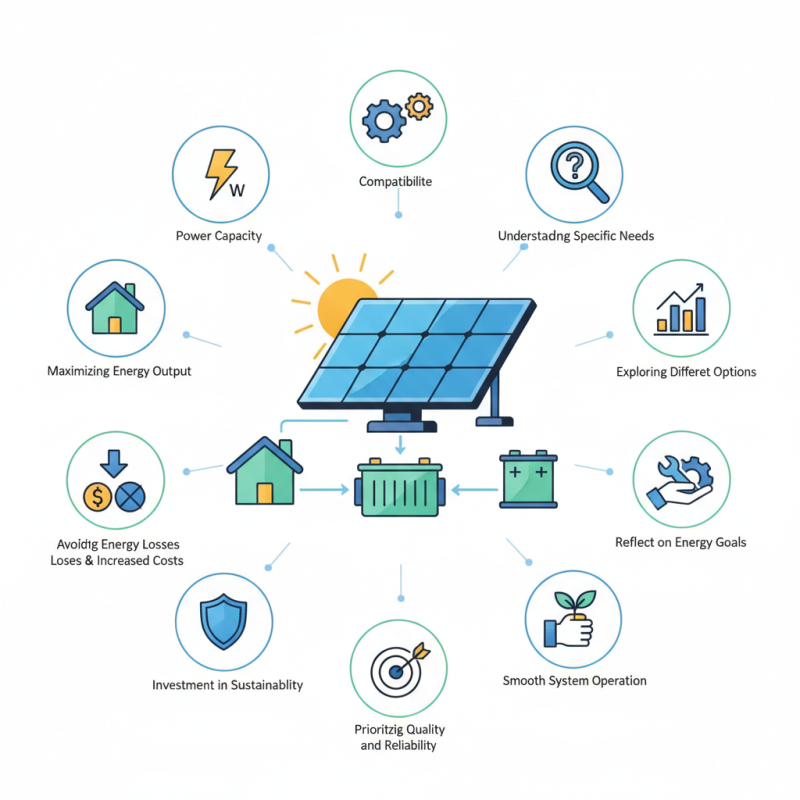
Choosing the right solar transformer is crucial for your solar power system's efficiency. A solar transformer plays a vital role in converting generated electricity into usable power. This device ensures that your system operates smoothly while maximizing energy output.
When selecting a solar transformer, consider factors like power capacity and compatibility with your solar panels. It's not just about picking a well-known brand; understanding your specific needs is also essential. The wrong choice can lead to energy losses and increased costs.
Exploring different options may lead to confusion. You might feel overwhelmed by competing products and specifications. Reflecting on your energy goals can help narrow down your choices. Prioritizing quality and reliability can make a significant difference in your solar energy journey. Ultimately, investing in the right solar transformer is an investment in sustainability.
Key Factors to Consider When Selecting a Solar Transformer
When selecting a solar transformer, there are key factors that must be considered. The power rating is crucial. Ensure the transformer's capacity matches your system's requirements. Underrating can lead to inefficiency. Overrating might cause unnecessary expenses. Look for a unit with appropriate voltage levels. Mismatched voltage can damage equipment.
Consider the efficiency ratings of the transformer. Higher efficiency means less energy loss. However, some models may appear efficient but fall short in real-world applications. Reliability is another factor. A transformer should withstand harsh weather conditions. Durability ensures longevity. Pay attention to installation and maintenance needs. Choose a design that allows easy access for checks. Many overlook this; it leads to complications later.
Finally, explore the manufacturer's reputation. Reviews can provide insights but may be biased. Look for experienced voices in the community. Always reflect on your choices. Each aspect contributes to your solar system's performance. A well-chosen transformer can enhance energy output significantly.
10 Essential Tips for Choosing the Right Solar Transformer for Your System
The following chart illustrates the key factors to consider when selecting a solar transformer for your system, based on their importance rating. Each factor is rated on a scale from 1 to 10, where 10 indicates the highest importance.
Understanding Different Types of Solar Transformers Available
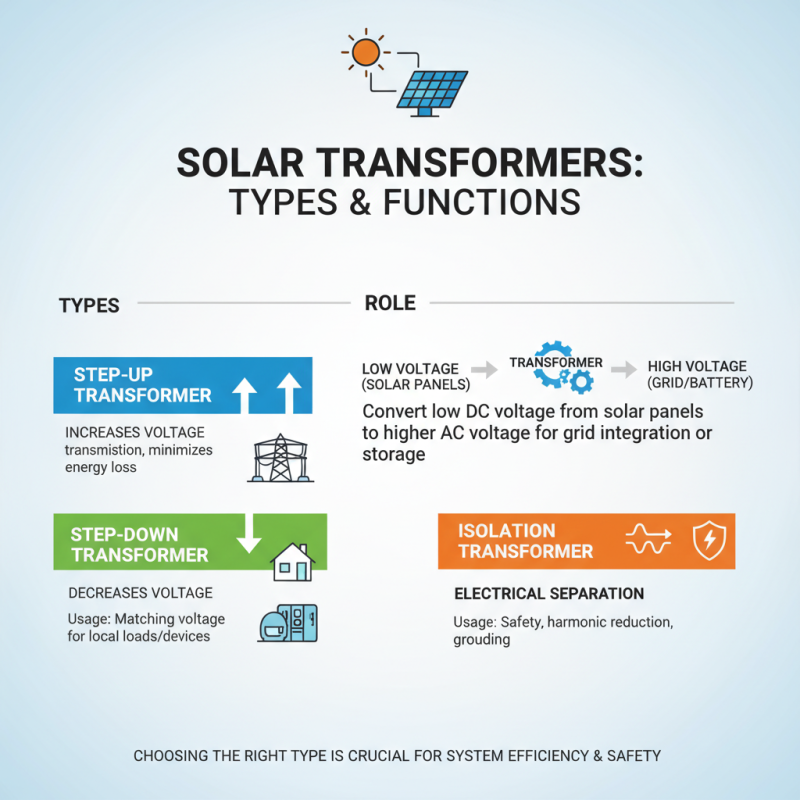
When choosing a solar transformer, understanding the various types is crucial. Solar transformers convert low voltage output from solar panels to a higher voltage suitable for grid integration or battery storage. There are several types of transformers, such as step-up, step-down, and isolation transformers. Each serves specific needs based on system design. Step-up transformers, for instance, increase voltage, allowing for long-distance transmission with minimal losses.
According to a report by the International Renewable Energy Agency (IRENA), a well-matched transformer can improve system efficiency by as much as 10%. However, not all installations require the same type. For instance, smaller systems may benefit from isolation transformers, which provide added safety by electrically isolating the systems. Choosing the wrong type can lead to inefficiencies and increased operational costs.
Another important factor is the transformer’s size. A mismatch can result in overheating or inadequate performance. In fact, the National Renewable Energy Laboratory (NREL) highlights that improper sizing is a common mistake, affecting both performance and lifespan. Ensuring that the transformer matches voltage ratings and load requirements is essential for optimal functioning. Achieving this balance often requires professional assessment and planning.
Assessing Power Rating and Efficiency Requirements
When choosing a solar transformer, pay close attention to power rating. This factor determines the transformer's ability to handle voltage and current. It’s crucial for system efficiency. A transformer that cannot meet your system's power demands can lead to significant losses. Too much strain on the transformer can cause overheating. This may result in potential damage or failure. Be realistic about your energy needs.
Efficiency requirements are another vital aspect. Look for transformers that maximize energy conversion. High efficiency reduces energy waste, which can save you money. Check the efficiency ratings provided by manufacturers. Sometimes, the data can be confusing or misleading. Don’t hesitate to seek advice if you're uncertain about numbers. Comparing different transformers can also be tricky, as specifications might vary. Details matter.
Lastly, remember that perfect solutions rarely exist. Sometimes, you'll have to compromise on certain features. Perhaps you find a transformer with a higher efficiency but a lower power rating. Reflect on what is most important for your solar system. Balancing efficiency with power capacity can be a challenge. Regularly review your choices as technology advances. Being informed is key to making sustainable decisions.
Evaluating Environmental Conditions and Installation Space
When selecting a solar transformer, evaluating environmental conditions is crucial. Think about your local climate. Are there extreme temperatures? Humidity levels also matter. High humidity can lead to corrosion. Dust and pollutants may accumulate, affecting efficiency. Consider sunlight exposure as well. Direct sunlight may overheat the transformer, impacting its performance.
Installation space poses unique challenges. Ensure enough room for airflow around the transformer. Tight spaces can trap heat. Imagine trying to squeeze a large machine into a cramped area. It won't work well. Adequate spacing allows for easy maintenance too. Picture a scenario where you need to access connections but there’s no room to maneuver.
Don’t overlook local regulations either. Some areas have specific requirements for installation. Ignoring these can lead to costly retrofits later. If your system is near water, ensure proper safety measures are in place. Reflect on all these factors before making a choice. Missing even one could affect your system’s efficiency.
10 Essential Tips for Choosing the Right Solar Transformer for Your System
| Tip Number |
Tip |
Considerations |
| 1 |
Assess Load Requirements |
Calculate total wattage needed for appliances. |
| 2 |
Evaluate Environmental Conditions |
Consider temperature, moisture, and dust levels. |
| 3 |
Determine Installation Space |
Ensure adequate room for the transformer and equipment. |
| 4 |
Select the Right Transformer Type |
Choose between isolation, step-up, or step-down transformers. |
| 5 |
Consider Efficiency Ratings |
Look for high-efficiency transformers to reduce losses. |
| 6 |
Check for Standard Compliance |
Ensure compliance with local and national electrical codes. |
| 7 |
Plan for Future Expansion |
Choose a transformer that can accommodate potential growth. |
| 8 |
Consider Maintenance Requirements |
Evaluate how often the transformer will require servicing. |
| 9 |
Compare Manufacturer Warranty |
Review warranty terms for durability assurances. |
| 10 |
Consult with a Professional |
Seek expert advice for tailored solutions. |
Cost Considerations and Long-Term Investment in Solar Transforming Solutions
When investing in solar transformer solutions, cost is a key factor. It's essential to assess both initial expenses and long-term savings. Many people underestimate maintenance costs. A cheap transformer may save money upfront but could lead to significant expenses later. Look for models with a proven track record of reliability. It’s vital to analyze your energy needs. A miscalculated choice can result in insufficient power supply or wasted investment.
Think about warranties and support services as well. Quality products often come with better customer service. This can reduce downtime and protect your investment. Look carefully at energy efficiency ratings as well. Higher efficiency can mean lower electricity bills in the long run. However, efficient models may carry a higher price tag initially. It’s worth weighing these costs against future savings.
Investing in the right solar transformer is about balance. Consider your budget but don’t overlook performance. Sometimes, spending a bit more upfront can pay off significantly over time. It's important to reflect on your options. Not all transformers will suit your system's unique requirements. Make sure your decision aligns with your overall energy strategy. Choosing the right solar transformer requires careful thought and deliberation.
 X
X