Why You Should Consider Using a CT Transformer for Your Power Applications?
In modern power applications, the significance of using a CT transformer cannot be overstated. These devices play a crucial role in voltage regulation and current measurement. Their ability to handle high current loads makes them indispensable in various electrical systems.
A CT transformer offers enhanced safety and accuracy in monitoring electrical parameters. By stepping down high currents to manageable levels, they protect sensitive equipment. This capability is vital in industries such as manufacturing and energy distribution.
However, some may overlook the importance of properly selecting and maintaining CT transformers. Misaligned specs can lead to performance issues and inefficiencies. Understanding your specific needs is essential for making informed choices. Investing time to assess these factors ensures reliability and optimal performance in power applications.
Understanding CT Transformers: Definition and Functionality
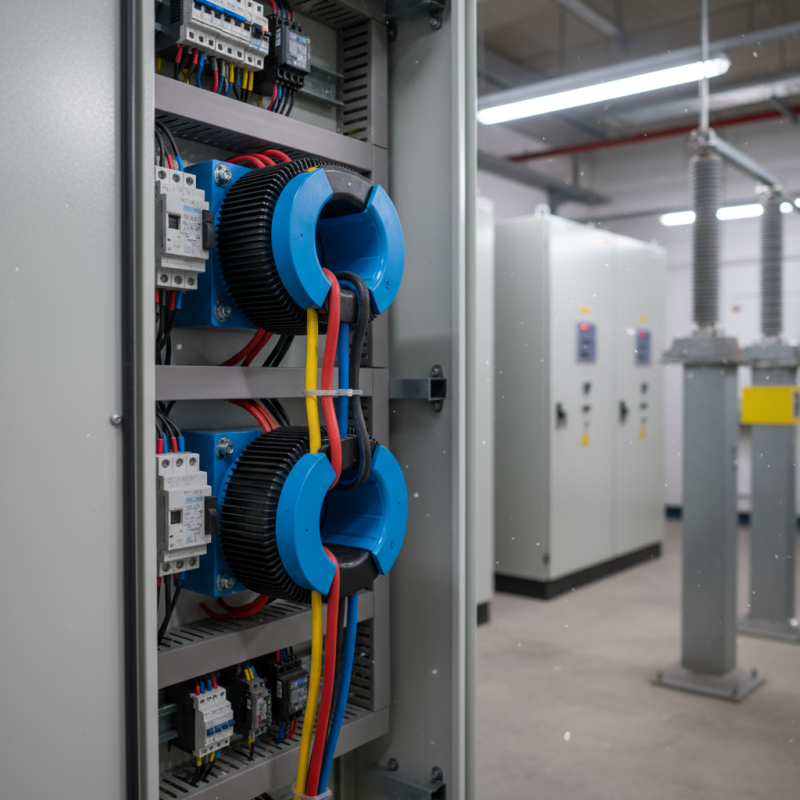
CT transformers, or current transformers, play a crucial role in power applications. They convert high current levels to a lower, manageable level for measurement and protection systems. This ensures safety and efficiency in electrical networks, which is vital for reliable operations. According to the International Energy Agency, around 27% of electricity is lost during transmission. Using CT transformers can significantly reduce these losses.
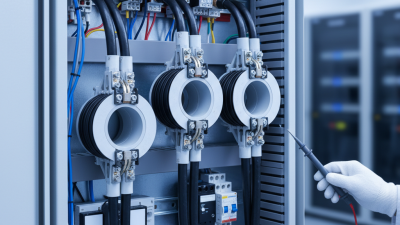
In terms of functionality, CT transformers work by creating a magnetic field around a conductor. This field generates a proportional current in the secondary winding. The result is accurate current measurement. This becomes essential for monitoring energy consumption and maintaining grid stability. A 2022 report from Research and Markets indicates that the market for CT transformers is projected to grow by 5.6% annually, driven by the increasing need for energy efficiency.
Tips: Regular maintenance of CT transformers is essential. Inspect connections and insulation for wear. Also, consider using digital monitoring tools for real-time data. This can enhance response strategies and reduce downtime. Remember, investing in quality CT transformers is an investment in operational longevity.
The Importance of Current Measurement in Power Applications
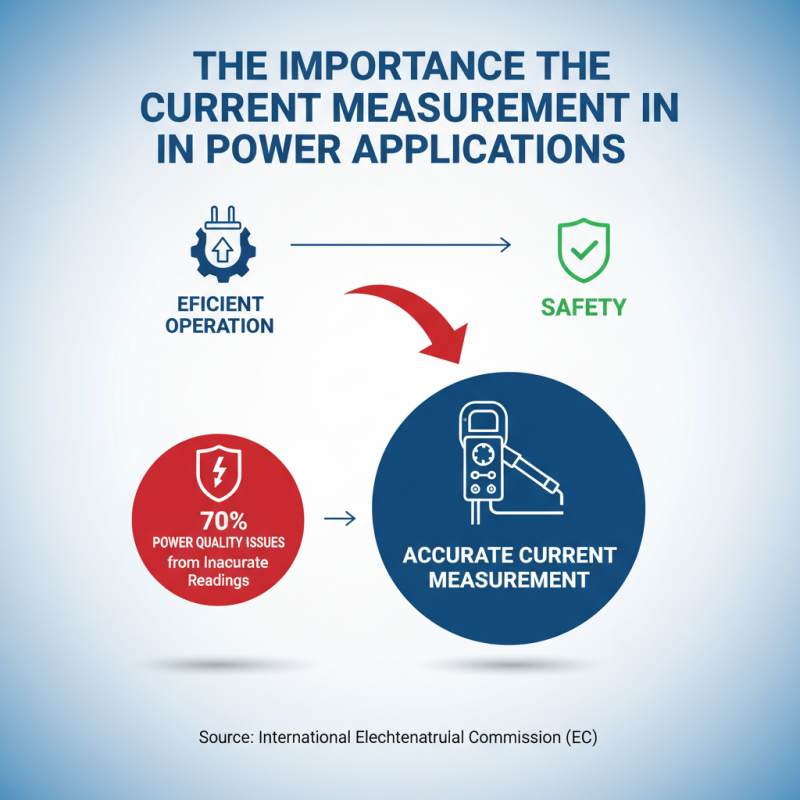
In modern power applications, accurate current measurement is crucial. A reliable current measurement system ensures efficient operation and safety. According to the International Electrotechnical Commission (IEC), up to 70% of power quality issues stem from inaccurate current readings. This highlights the need for precise tools in the field.
Current transformers (CTs) play a vital role in ensuring these measurements are accurate. They translate high current levels into manageable values. This process allows for safe monitoring without direct exposure to dangerous currents. Research shows that CTs can improve measurement accuracy by up to 20%, making them indispensable in electrical installations.
However, not all CTs are created equal. Choosing the right transformer requires understanding specific application needs. Consider factors such as load characteristics and environmental conditions. Using an inappropriate model may lead to errors in current readings. As the push for renewable energy increases, so does the complexity of power systems. Emphasizing accurate current measurement becomes even more critical in this evolving landscape.
Advantages of Using CT Transformers in Electrical Systems
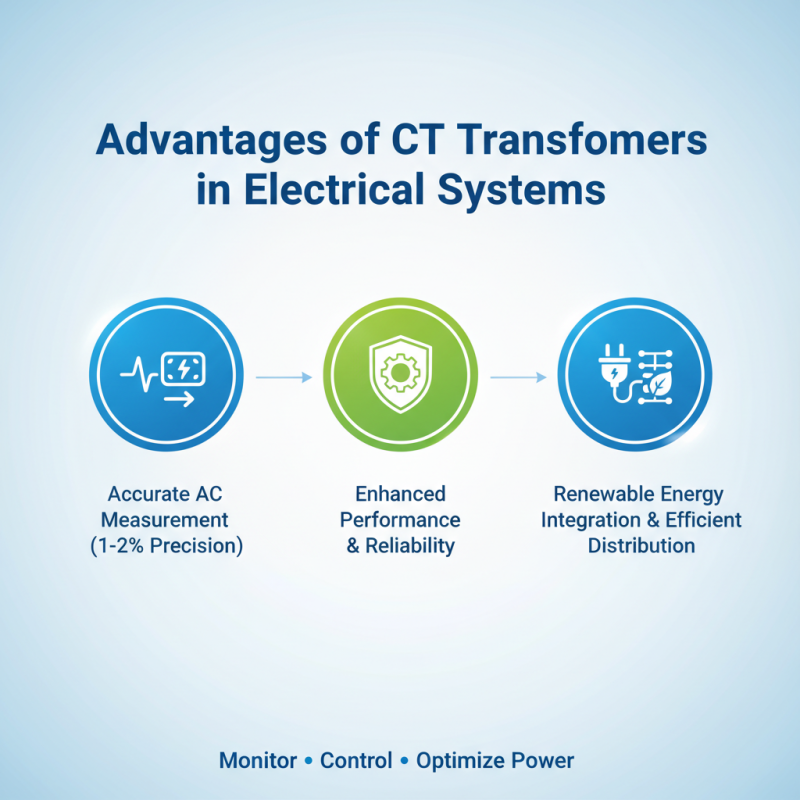
Using CT transformers in electrical systems offers various benefits that enhance performance and reliability. These devices can accurately measure alternating current (AC), helping to monitor and control power consumption. According to industry reports, CT transformers can provide measurement accuracy within 1% to 2% across a wide range of current levels. This precision is crucial for integrating renewable energy sources into the grid and managing energy distribution efficiently.
CT transformers also improve safety in electrical systems. By isolating high-voltage components, they protect personnel and equipment from harmful currents. This isolation helps to prevent electrical shock and equipment damage. Industry data suggests that the use of CT transformers can reduce system downtime by up to 30%, providing a compelling case for their adoption.
Tips: Regularly inspect and maintain your CT transformers. This will ensure they perform optimally and extend their lifespan. Additionally, consider using multi-ratio CTs for flexibility in different applications. Properly selecting the right transformer can significantly impact system performance and efficiency. Always consult with a professional to align your choice with system requirements.
Application Areas of CT Transformers in Various Industries
CT transformers are crucial in various industries.
They are widely used in electricity distribution, allowing for accurate current measurement.
This accuracy is vital for maintaining efficiency in electrical systems.
Manufacturing plants utilize CT transformers to monitor and regulate power consumption.
By maintaining proper voltage levels, the risk of machinery malfunction is reduced.
In renewable energy, CT transformers play a significant role.
Solar and wind farms depend on them for accurate monitoring. This helps in optimizing energy output and improving reliability.
However, not all installations are flawless. Some may experience calibration issues, leading to inaccurate readings.
Regular maintenance and checks are necessary to ensure performance.
The transportation sector also benefits from CT transformers.
They are used in railway systems to monitor electric currents.
This is essential for safe operation and energy management.
Some challenges arise when implementing these systems.
For instance, environmental factors can impede performance. Addressing these concerns requires expertise and careful planning.
Factors to Consider When Selecting a CT Transformer for Your Needs
When selecting a current transformer (CT) for power applications, multiple factors influence the decision. The transformer's accuracy rating is paramount. Reports indicate that precision can significantly impact energy efficiency. A CT with a high accuracy level minimizes measurement errors. This can enhance the overall reliability of power systems.
Another crucial aspect is the transformer's burden rating. It refers to the load connected to the secondary winding. A mismatch can lead to severe performance issues. It's essential to note that a burden higher than a CT's rated value can distort readings. For example, studies show that a CT operating under excessive burdens can reduce efficiency by up to 15%. This is vital for systems aiming for optimal performance.
Environmental conditions also play a key role. Factors like temperature, humidity, and pollution levels can affect transformer lifespan. Many CT transformers are designed for specific environments. Choosing the wrong type may lead to premature failure. According to research, over 30% of transformer failures are linked to inappropriate installation environments. Evaluating these factors thoroughly can lead to informed, reliable decisions.
 X
X