How to Choose an Electric Power Meter?
Choosing the right electric power meter is more than comparing prices and display sizes. It requires a clear understanding of your electrical system, measurement goals, and operating environment. A household user may need simple readings for voltage, current, energy use, and cost. An industrial technician may require power factor, harmonics, demand, and three-phase analysis.
Start with the application.
A reliable electric power meter should match the system voltage, current range, phase configuration, and installation method. Check whether the meter uses direct connections or current transformers. A 5,000-ampere panel needs a different approach than a small workshop circuit. Accuracy also matters. A meter used for internal energy monitoring may have different requirements than one supporting billing or compliance records. Review technical standards, calibration information, test conditions, and manufacturer documentation before purchasing.
Real-world details can expose weaknesses. Dust, heat, vibration, and limited panel space may affect performance. A bright screen helps during inspections, but secure data logging may matter more during overnight testing. Communication options, such as Modbus or wireless connectivity, can reduce manual recording. Still, connectivity does not guarantee useful data.
No meter is perfect.
Even experienced technicians can overlook inrush current or distorted waveforms. I have seen specifications appear suitable until the installation revealed cramped terminals and unstable readings. That is why selection should include a site survey, safety review, and comparison with a trusted reference instrument. This guide explains the key criteria, common mistakes, and practical checks for choosing an electric power meter with confidence.
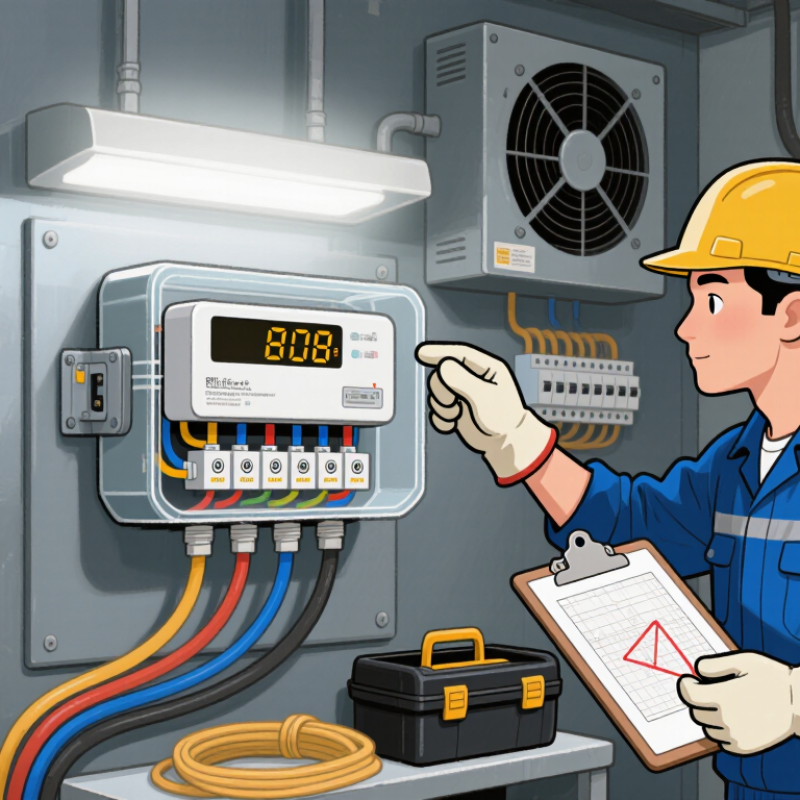
Define Your Electrical Measurement Needs
Choosing an electric power meter starts with a measurement question, not a product feature. What must be measured: voltage, current, active power, energy, or power factor? The answer should come from the load and the decision behind the reading. A household circuit may need basic energy tracking. A factory motor may require three-phase measurements, inrush current, and harmonic analysis.
The need is growing. The International Energy Agency’s Electricity 2024 report projects global electricity demand will rise by about 4% annually from 2024 to 2026. Small errors can therefore become expensive over long operating periods. The U.S. Department of Energy notes that motor-driven systems consume more than half of industrial electricity. For these systems, choose a meter with suitable current-transformer ranges, data logging, and readings during startup. Check the expected voltage and frequency first. Never assume a general-purpose meter is suitable.
Accuracy also depends on the installation. Cable space, heat, moisture, and access can change the practical choice. IEC 61557-12 provides performance requirements for power measurement and monitoring devices, so its specifications deserve careful review. I usually write down the highest current, lowest expected load, phase configuration, and required recording interval. Then I compare accuracy across the entire operating range, not only at the rated point. This step is easy to overlook. I still do. A meter may display impressive precision while measuring the wrong electrical quantity.
Check Accuracy, Range, and System Compatibility
How to Choose an Electric Power Meter?
Accuracy should match the decision you need to make. For billing checks, choose a meter with a documented accuracy class and calibration certificate. For equipment troubleshooting, repeatability and stable readings may matter more. Check whether the meter measures true RMS values, especially with variable-speed drives or switching power supplies. A basic average-reading meter can appear accurate on clean sine waves, then drift on distorted loads. No meter is perfect. Its uncertainty should be visible, not quietly ignored.
Range matters as much as accuracy. Select a device that handles the expected voltage, current, frequency, and short-term overload. Measuring near the top of the range can reduce reliability. Measuring tiny currents on an oversized range can hide useful changes. Check resolution, crest factor, and the measurement category required for your installation. A narrow range may give clearer readings, but it can become inconvenient during startup tests.
Tips: List your system details before buying. Note AC or DC, single-phase or three-phase, conductor size, connection method, and available outputs. Confirm compatibility with current transformers, data loggers, or control software. In practical checks, I have seen excellent meters fail because their connectors did not fit the panel. I have also overlooked frequency limits once. That mistake was avoidable. Read the technical manual, not only the product summary.
How to Choose an Electric Power Meter?
Compare the accuracy class, measurement range, and system compatibility before selecting a meter. A lower percentage indicates a smaller maximum permissible error under the specified test conditions.
Accuracy Classes for AC Active-Energy Measurement
Selection guidance: Choose a higher-accuracy class for billing, laboratory, or low-load measurements. Confirm that the meter's voltage, current, phase configuration, frequency, direct or CT/PT connection, and communication interface match the electrical system. Accuracy classes shown are commonly specified for AC active-energy meters under IEC 62053 requirements; actual performance also depends on load, power factor, temperature, wiring, and installation conditions.
Select a Meter Based on Cost and Long-Term Value
How to Choose an Electric Power Meter?
Select a Meter Based on Cost and Long-Term Value
A low purchase price can look attractive, but it rarely shows the full cost. Check measurement accuracy, installation needs, data storage, and expected service life. A meter with stable readings can reveal small energy losses before they become expensive. Look for clear specifications, suitable voltage and current ranges, and calibration information from reliable technical documents. If the meter cannot handle your electrical load, its low price becomes a costly mistake.
I once focused too much on the initial quote. That decision saved money briefly. Later, limited data access made energy analysis slower and less useful. Now, I compare the total ownership cost. Include wiring, compatible sensors, maintenance, software access, and possible replacement parts. A readable display also matters. In a dim utility room, complicated menus waste time. Professional installation is wise when the system requires panel access or current transformers. Accurate setup supports trustworthy results.
Tips: Compare three-year costs, not only purchase prices. Ask how often calibration is recommended. Confirm the meter records peak demand and unusual consumption. Choose simple reporting tools that your team will actually use. Leave room for future circuits. This is easy to overlook. Check technical support quality before buying, because a difficult issue may appear years later. Reconsider your assumptions after one month of real measurements; actual usage often differs from estimates.
 X
X