2026 How to Choose Electrical Metering Devices for Your Needs?
Choosing the right electrical metering devices is crucial for efficiency and accuracy in energy management. In recent years, the demand for advanced metering solutions has surged, with the global market projected to reach $16 billion by 2026, according to a report by MarketsandMarkets. This growth highlights a general shift towards smarter energy solutions.
Electrical metering devices help track consumption accurately. However, many users struggle with selecting the right models. Factors like functionality, compatibility with existing systems, and specific application needs should influence decisions. Additionally, an estimated 30% of organizations report difficulties in interpreting data from their metering devices, signaling that complexity may hinder effective usage.
Not every metering device is suitable for every scenario. Some units are designed for residential use, while others cater to industrial applications. It's vital to evaluate specific requirements to make informed choices. Relying solely on price can lead to regret. Users must assess long-term benefits against initial costs. Properly chosen electrical metering devices can optimize energy usage and significantly reduce operational costs.
Understanding the Functionality of Electrical Metering Devices
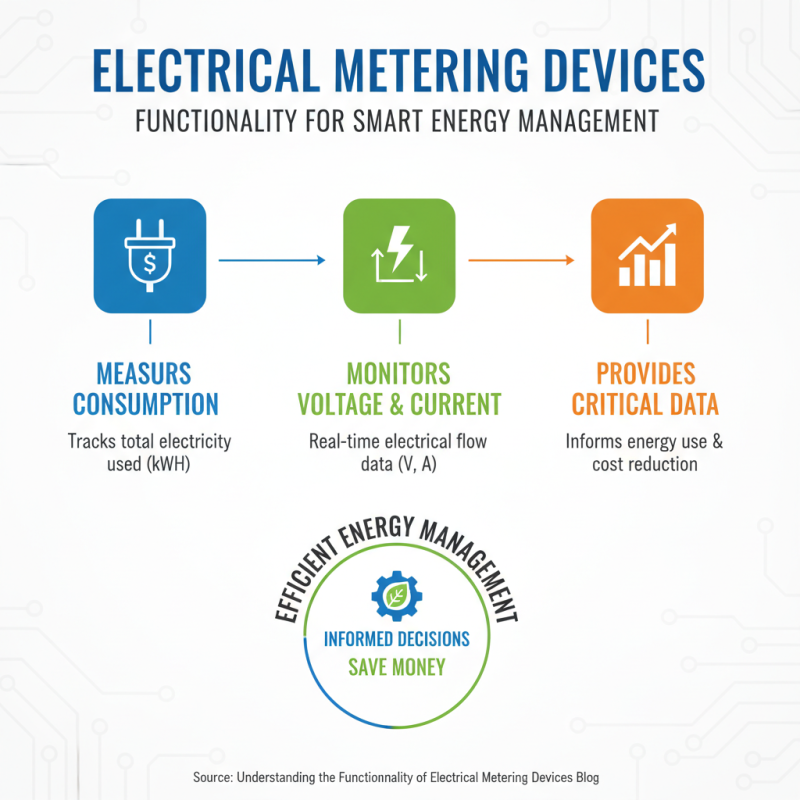
When selecting electrical metering devices, understanding their functionality is crucial. These devices measure electrical energy consumption, voltage, and current. They provide critical data for efficient energy management. This information helps in making informed decisions about energy usage and cost reduction.
Tips: Always consider the type of usage. Industrial systems need robust meters, while residential setups can use simpler options. Take into account the environment where the device will be placed. It should withstand humidity, dust, and temperature variations.
Choosing the right meter also involves understanding communication capabilities. Some devices offer remote monitoring. Others may require manual data collection. Ensure your selection aligns with your management needs. Reflect on how you plan to use the data. Will you analyze patterns over time? Or do you need real-time updates for immediate adjustments?
Tips: Opt for devices that allow integration with software tools. They can simplify data analysis. Assess how often you need to check your readings. Frequent monitoring may justify investing in advanced meters.
Identifying Your Specific Electrical Needs and Requirements
Identifying your specific electrical needs is crucial when choosing metering devices. Start by assessing the types of appliances and systems you use. Different devices measure energy consumption differently. For example, industrial uses require robust systems, while residential needs are simpler. Understanding your load profile can be a game changer.
Tips: Consider the total connected load. This will guide you on the capacity you need. It's also wise to think about future expansion. Will you add more appliances? Planning ahead saves costs later.
Taking inventory of your usage patterns can also help. Do you run heavy machinery during peak hours? Are there seasonal variations? Addressing these factors is vital. Still, it's important to remain flexible. Market technologies change and so do your needs over time.
Tips: Regularly review your energy consumption. Look for trends and adjust your device choices accordingly. You might find opportunities to enhance efficiency. Staying informed about new developments can lead you to better solutions.
2026 How to Choose Electrical Metering Devices for Your Needs?
| Device Type |
Key Features |
Best Used For |
Estimated Cost |
Accuracy |
| Digital Energy Meter |
Displays real-time usage, easy to read |
Residential usage, small offices |
$50 - $150 |
±1% of Reading |
| Smart Energy Meter |
IoT connectivity, remote monitoring |
Smart homes, energy management systems |
$100 - $300 |
±0.5% of Reading |
| Three-Phase Meter |
Measures three-phase power, high voltages |
Large industrial applications |
$200 - $600 |
±0.2% of Reading |
| Submeter |
Allows tracking of energy use in specific areas |
Multi-tenant buildings, rental properties |
$30 - $100 |
±1% of Reading |
| Current Transformer (CT) |
Useful for high current applications |
Large equipment, factories |
$50 - $200 |
±0.5% of Reading |
Comparing Different Types of Electrical Metering Devices Available
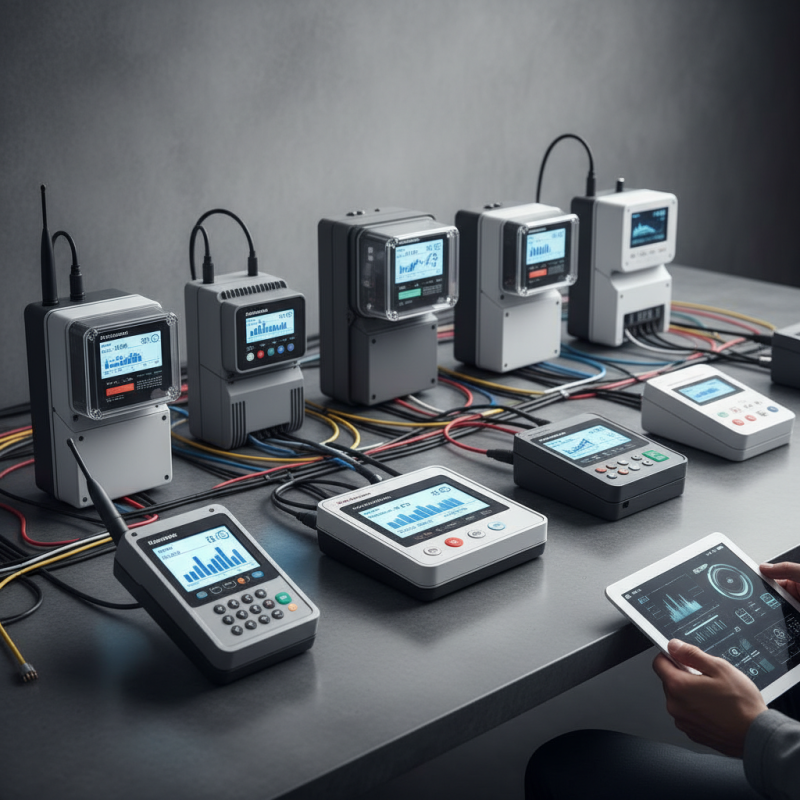
When selecting electrical metering devices, understanding the different types available is crucial. There are several options on the market today, including analog meters, digital meters, and smart meters. Each type serves different purposes and comes with distinct features.
Analog meters display readings through physical dials and are known for their simplicity. They are often suitable for basic energy tracking, but they lack advanced functionalities. Digital meters, on the other hand, provide precise readings on a screen. They can often track multiple parameters and are more versatile. For advanced needs, smart meters offer real-time data access and connectivity features. These devices can communicate directly with utilities, enhancing efficiency.
Consider the specific requirements you have. If you need simple monitoring, an analog meter may suffice. If you require detailed usage data, opt for digital or smart meters. Reflect on the environment where the meter will be installed. For example, harsh conditions may limit the lifespan of certain devices. Each option has its pros and cons. Ensure that you choose a device that aligns with your energy management goals.
2026 Electrical Metering Devices Comparison
This chart compares different types of electrical metering devices based on their popularity rating. Smart meters lead in popularity, followed by digital meters, prepaid meters, and analog meters.
Evaluating Accuracy, Reliability, and Features of Meters
When choosing electrical metering devices, accuracy is key. Meters must deliver precise readings to ensure efficient energy management. Look for devices with a proven track record of accuracy, which can often be found through user reviews or professional recommendations.
Reliability is just as vital. A reliable meter withstands various environmental conditions without compromising performance. Consider the meter's durability, ensuring it will last long under normal usage. Devices that have undergone rigorous calibration processes are often better choices.
Tips: Check for certifications that guarantee quality standards. This helps ensure the meter's performance aligns with industry norms. Another point to consider is the meter's features. Some may offer advanced functionalities, like wireless communication or remote monitoring. Evaluate what features you truly need. Don't be swayed by flashy add-ons that might not enhance your metering experience.
In your evaluation, think critically. A higher price does not guarantee better quality. Some budget options perform well under specific circumstances. Do thorough research to find the right balance of features, reliability, and cost.
Budget Considerations and Cost-Effectiveness of Meter Selection
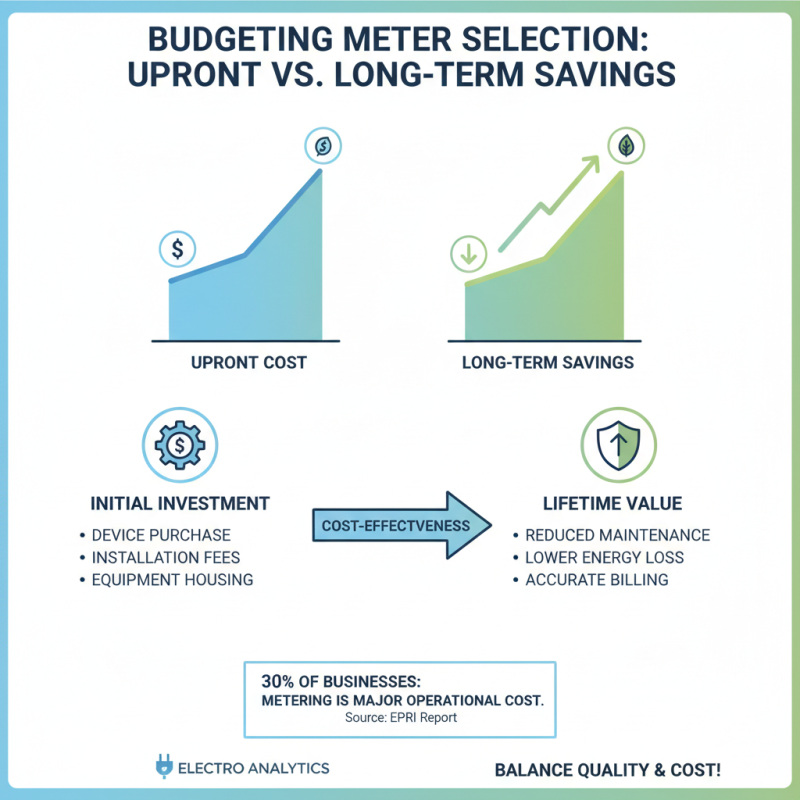
When choosing electrical metering devices, budget considerations play a critical role. According to a report by the Electric Power Research Institute, nearly 30% of businesses find metering costs are a significant part of their operational budget. This highlights the importance of selecting devices that provide a balance between upfront costs and long-term savings. For example, higher-quality digital meters might cost more initially but can reduce maintenance expenses and energy losses over time.
Cost-effectiveness is key in metering device selection. A study by the International Energy Agency revealed that advanced metering infrastructure can save up to 15% on energy costs for businesses. However, initial investments can sometimes lead to hesitation. It's essential to weigh the benefits against the costs. While some cheaper options may seem appealing, they often lack features that ensure accurate readings or advanced analytics capabilities. This could result in higher bills or incorrect data collection, ultimately affecting overall financial performance.
Evaluating total cost of ownership is crucial. While a low purchase price can attract many buyers, ongoing operational costs should not be overlooked. Maintenance, software updates, and potential replacements can accumulate. Businesses must focus on the long-term value and reliability of the devices. Keeping an eye on emerging technologies might also prevent future regrets about missed opportunities for efficiency gains.
 X
X