How to Choose the Best Rechargeable Lithium Batteries for Your Needs?
Choosing the right Rechargeable Lithium Batteries can be challenging. Many options are available, with varying specifications. Understanding the key features is essential for making an informed decision.
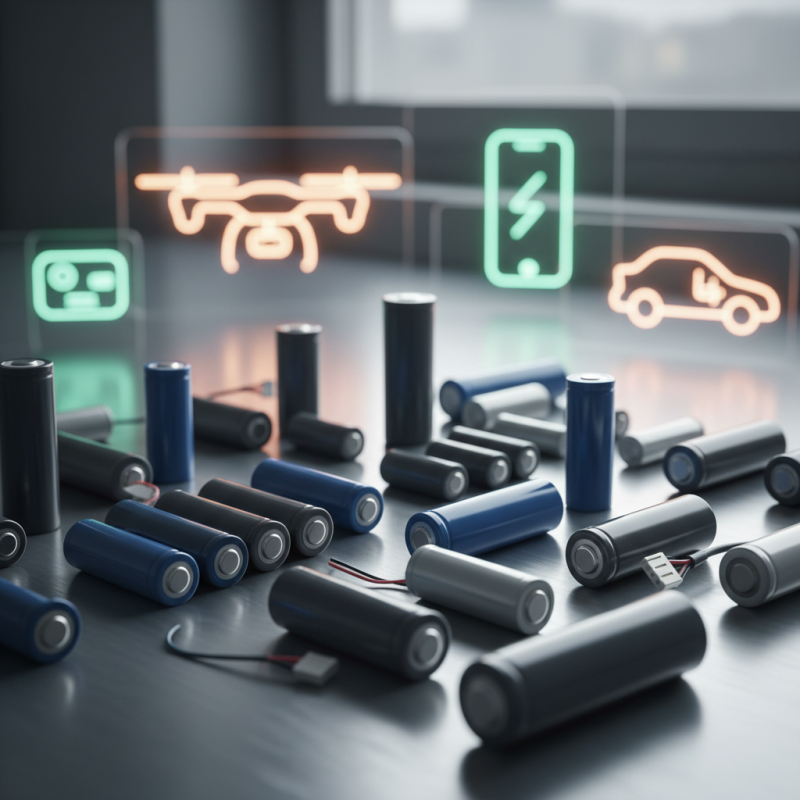
Rechargeable lithium batteries are popular due to their efficiency and longevity. They can power devices ranging from smartphones to electric vehicles. The wrong choice can lead to poor performance or shorter battery life.
Consider the specific requirements before making a purchase. Think about capacity, cycle life, and discharge rates. Brands differ in quality, so do your research. Reading reviews and expert opinions can provide valuable insights. Reflect on your needs and usage patterns. This approach will help you find the best rechargeable lithium batteries tailored to your lifestyle.
Factors to Consider When Selecting Rechargeable Lithium Batteries
Choosing the right rechargeable lithium batteries can significantly impact your device's performance. Understanding the different factors at play is essential. Capacity, measured in milliamp-hours (mAh), directly affects how long a battery can powering your device. Higher mAh ratings often correlate with longer usage times. Yet, it's important to balance capacity with weight and size, especially for portable devices.
Another critical factor is the battery's cycle life. This refers to how many times the battery can be charged and discharged before it loses efficiency. Look for batteries with a minimum of 500 cycles. A longer cycle life means you won't need to replace the battery as frequently. It also indicates durability, which can save you money in the long run.
Charging speed also matters. Some batteries charge faster than others, which can be highly beneficial for those who are constantly on the go. Additionally, consider temperature tolerance. Batteries operating in extreme conditions may not perform well. Take the time to assess your specific needs. Proper research and understanding will help ensure you choose the battery that truly meets your demands.
Battery Capacity Comparison of Rechargeable Lithium Batteries
Different Types of Rechargeable Lithium Batteries and Their Uses
When choosing rechargeable lithium batteries, understanding their types is essential. Lithium-ion and lithium polymer are the most common types. Lithium-ion batteries offer high energy density and are widely used in smartphones and laptops. Their ability to hold a charge for long periods makes them reliable for everyday gadgets.
On the other hand, lithium polymer batteries are lighter and more flexible in shape. This makes them ideal for drones and RC vehicles. They tend to be less stable than lithium-ion batteries, which can pose a risk if not handled properly. Users must ensure they charge these batteries with caution to avoid overheating.
While both types serve specific purposes, users should consider their needs carefully. A battery suited for one device may not work well with another. It's crucial to assess factors like discharge rate and capacity. The wrong choice can lead to poor performance or, worse, safety issues. Taking time to understand these differences is vital before making a decision.
Battery Capacity: How to Determine the Right Size for Your Needs
Battery capacity is crucial when selecting rechargeable lithium batteries. It determines how long a device will run between charges. Capacity is measured in milliamp hours (mAh). A higher mAh indicates more energy storage. But, how do you find the right capacity for your needs?
Consider the devices you use daily. A digital camera might need 2000 mAh, while a remote control may only require 500 mAh. You should assess the runtime you expect. A powerful flashlight might drain batteries quickly. If it runs out of juice after 30 minutes, a higher capacity battery would be advantageous. However, be mindful; larger batteries can be bulkier.
Testing different capacities is often necessary. Not all devices perform well with high-capacity batteries. Sometimes, they might overheat or malfunction. Users have noted that battery life can be unpredictable based on usage patterns. Experimenting is a valuable approach to determine your ideal capacity. You might need to adjust based on real-world performance. Each device has its quirks and demands; understanding them is key.
How to Choose the Best Rechargeable Lithium Batteries for Your Needs?
| Battery Type | Capacity (mAh) | Voltage (V) | Size (Dimensions) | Weight (g) | Typical Use Cases |
| 18650 | 2500 | 3.7 | 18 x 65 mm | 46 | Laptops, e-bikes |
| 21700 | 4000 | 3.7 | 21 x 70 mm | 70 | Electric scooters, power tools |
| LPF | 3000 | 3.2 | 30 x 100 mm | 50 | Solar power systems, energy storage |
| LiPo | 2200 | 3.7 | 30 x 60 mm | 100 | Drones, RC vehicles |
Charging and Discharging Cycles: Understanding Battery Lifespan
Understanding charging and discharging cycles is essential when choosing lithium batteries. These cycles measure how many times a battery can be fully charged and discharged. Each cycle impacts the overall lifespan of the battery. Typically, lithium batteries can handle hundreds of cycles, but this varies widely based on usage and care.
Proper charging practices can extend battery life. Avoid keeping batteries at full charge or letting them drain completely. Instead, aim for a charge level between 20% and 80%. This method may feel inconvenient but significantly enhances longevity. Consider the environment, too; extreme temperatures can negatively affect performance and lifespan.
Battery health isn't static. Regular monitoring may reveal diminished capacity over time. Users must adjust their usage habits accordingly. Knowing when to replace batteries can save money and improve efficiency. Reflecting on these factors can lead to better battery management and informed decisions for your specific needs.
Safety Features and Ratings: What to Look for in Lithium Batteries
When selecting rechargeable lithium batteries, safety features are paramount. Look for batteries with built-in protection mechanisms. These may include overcharge protection, short circuit prevention, and temperature control. Such features minimize the risks of overheating or explosion.
Consider battery ratings, as they indicate performance and safety standards. Look for certifications from recognized organizations. A high-quality battery will often have UL or IEC certifications. It's also wise to check user reviews for additional insights on safety performance.
While many batteries provide great functionality, some may lack adequate safety standards. Trusting a battery with insufficient safety features can lead to problems later. Assess your usage needs. Higher capacity might tempt you, but always prioritize safe usage practices. Balancing power needs with reliable safety features is essential for longevity and peace of mind.
 X
X