How to Choose the Best MCB Automatic Assembly Line for Your Needs?
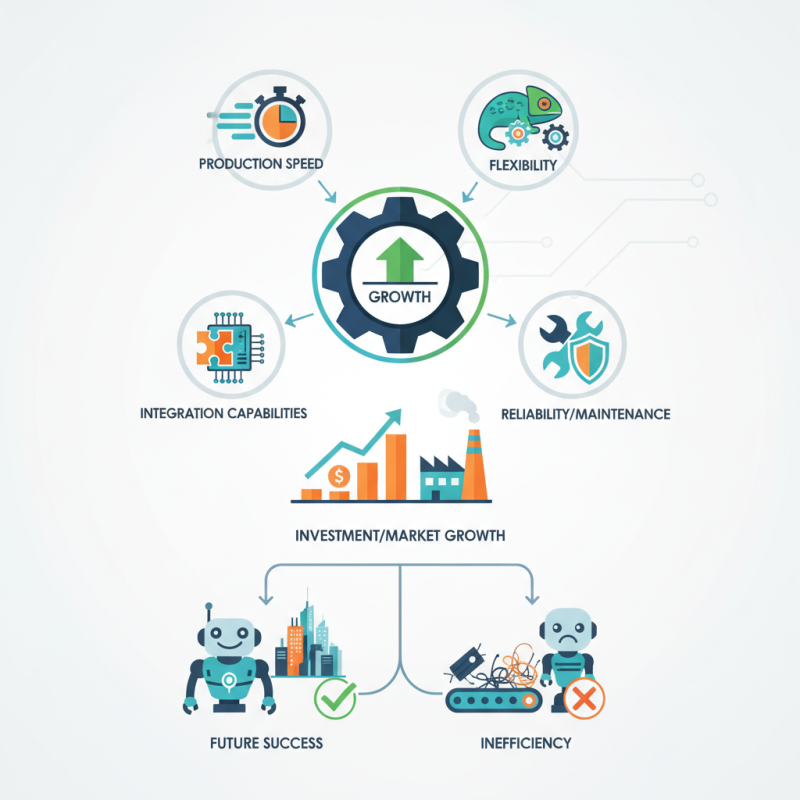
In today's rapidly evolving manufacturing sector, choosing the right MCB automatic assembly line is crucial. A report by MarketsandMarkets estimates that the global automated assembly systems market will reach $90 billion by 2025. This growth is driven by increasing demand for efficiency and precision in production.
When considering an MCB automatic assembly line, several factors come into play. These include production speed, flexibility, and integration capabilities. Companies need to evaluate their specific needs to ensure they invest wisely. For example, a line that lacks adaptability may lead to inefficiencies down the road.
It's also essential to recognize that not all solutions are perfect. Some assembly lines may require frequent maintenance, which can disrupt operations. Businesses should seek providers with a proven track record. Choosing a reliable partner can significantly affect long-term productivity. Making an informed choice today will pave the way for future success.
Factors to Consider When Selecting an MCB Automatic Assembly Line
Choosing the right MCB automatic assembly line can be a game-changer for your production needs. Several factors play a crucial role in this decision. One of the most important is the production capacity. Understanding your production volume helps narrow down your options. You want a line that can keep pace with your demand. If your capacity needs fluctuate, a flexible option may serve you better.
The complexity of the assembly processes is another key consideration. Some assembly lines can handle multiple tasks simultaneously, while others focus on single operations. You must assess your product range. If you manufacture diverse types of MCBs, consider a versatile line. It should accommodate different specifications without major adjustments. Maintenance requirements are often overlooked. An assembly line that is easy to service can save time and reduce downtime.
Moreover, the availability of technical support and spare parts is vital. A reliable supplier can ensure you have what you need when issues arise. Don't forget to factor in the space you have available for the line. A compact design might seem appealing, but ensure it also meets your operational needs. It's about balancing space, efficiency, and capacity. Keep these aspects in mind as they can lead to long-term impacts on production.
MCB Automatic Assembly Line Efficiency Comparison
Understanding Different Types of MCB Assembly Lines Available
When selecting an MCB automatic assembly line, understanding the different types available is crucial. A few options stand out, each with unique features. For example, inline assembly lines are popular for their efficiency. They allow for continuous production with minimal downtime. Conversely, offline assembly lines provide flexibility, allowing for various configurations and easier maintenance.
Another option is the semi-automatic assembly line. It combines manual oversight with automated machinery. This type can adapt to changes more readily than fully automated systems. Users benefit from reduced labor costs while maintaining product quality. However, the balance between automation and human input can be tricky and should be evaluated carefully.
In addition, some assembly lines can be customized. Manufacturers may offer tailored solutions to meet specific needs. This customization can lead to increased efficiency but may also involve a steeper learning curve. Evaluating these factors ensures that the chosen assembly line aligns with production goals effectively.
Key Specifications and Features to Evaluate for Your Production Needs
Choosing the right MCB (Miniature Circuit Breaker) automatic assembly line is crucial for optimizing production efficiency. Essential specifications include speed, precision, and adaptability. Equipment speed is a primary factor. High-speed assembly lines can produce up to 500 units per hour. However, too much speed may compromise quality. It's vital to find a balance.
Precision is another critical aspect. According to industry reports, a loss of precision can lead to defects. A line with an accuracy of ±0.002 inches ensures reliable assembly. Look for features like vision systems or advanced sensors that enhance quality control. These systems can automatically reject defective units, reducing waste.
Adaptability is becoming increasingly important. Many manufacturers need to pivot quickly to meet evolving demands. Lines that can accommodate different MCB designs without significant downtime are a valuable investment. Recent data shows that flexible equipment can increase production rates by up to 20%. Consider these specifications carefully; they shape the efficiency and reliability of your production process.
How to Choose the Best MCB Automatic Assembly Line for Your Needs?
| Specification | Description | Importance |
| Production Capacity | The maximum number of MCBs produced per hour. | High |
| Automation Level | Degree of automation, ranging from semi-automatic to fully automatic. | Medium |
| Footprint | Space required for the assembly line setup. | High |
| Energy Efficiency | Rate of energy consumption during operation. | High |
| Changeover Time | Time required to switch from one product type to another. | Medium |
| Maintenance Requirements | Frequency and complexity of necessary maintenance tasks. | High |
| Safety Features | Built-in safety mechanisms to protect operators. | High |
Budgeting for an MCB Automatic Assembly Line Purchase
When budgeting for an MCB automatic assembly line, consider several factors that can significantly affect the overall cost. The initial investment for machinery can be substantial, and understanding your specific needs is crucial. Assess the production volume and complexity of the components to avoid over or under-investment. Skimping on quality can lead to higher long-term expenses.
Tips: Calculate the total cost of ownership. Factor in maintenance, training, and operational costs into your budget. Seek quotes from multiple suppliers to compare prices effectively.
It’s essential to identify hidden costs that can arise during assembly line operation. Installation, setup, and even modifications can add up. Revisiting your budget periodically can highlight oversights and help refine your needs. Look into financing options if the upfront cost is daunting.
Tips: Consider whether leasing equipment might be more beneficial than purchasing outright. Ensure you account for technology upgrades that may be necessary in the future, as this can influence your initial purchase decision.
Budgeting carefully will lead to informed choices. A well-planned budget aligns your operational goals with financial realities.
Exploring Vendor Reputation and Support Services for MCB Lines
When selecting an MCB automatic assembly line, vendor reputation plays a crucial role. A reliable vendor can greatly influence production efficiency. According to a recent industry report, companies that prioritize vendor support see a 25% increase in operational uptime. This statistic highlights the importance of choosing suppliers known for their robust customer service and technical assistance.
Moreover, support services are not just about troubleshooting. They encompass training, timely maintenance, and parts availability. Some vendors offer comprehensive training programs that can minimize on-site errors. This training is vital, as studies indicate that poorly trained operators can lead to a 15% defect rate in assembly. Engaging with vendors known for their expertise can lead to smoother operations and reduced costs.
It’s essential to gather feedback from existing clients. Authentic reviews provide insights into the vendor’s reliability and long-term performance. Be cautious about solely relying on online testimonials, which can sometimes be misleading. Direct communication with current users can yield valuable perspectives. Connecting with professionals who have navigated similar decisions can enhance your understanding and help avoid common pitfalls.
 X
X