2025 How to Choose the Best 3 Phase Energy Meter for Accurate Power Measurement and Cost Savings
In the fast-evolving landscape of energy management, selecting the right tools is critical for efficiency and cost-effectiveness. As more businesses and residential users transition to three-phase power systems, understanding how to choose the best 3 phase energy meter has become essential for accurate power measurement and significant cost savings. Industry expert Dr. Emily Chen, a renowned electrical engineer and consultant, emphasizes, "The right energy measurement tools not only enhance operational efficiency but also empower users to make informed decisions for sustainable energy consumption."
As we move towards 2025, the demand for precision in energy monitoring will only increase, making it imperative for users to comprehend the features and functionalities that distinguish a high-quality 3 phase energy meter from its competitors. Factors such as measurement accuracy, communication capabilities, and compatibility with existing systems play a pivotal role in this decision-making process. Understanding these elements can lead to optimized energy usage, which is vital for both economic and environmental reasons.
This introduction aims to guide readers through the essential considerations in selecting a 3 phase energy meter that aligns with their specific needs while maximizing both accuracy and savings. By equipping yourself with the right knowledge, you can navigate this complex landscape and make choices that contribute to a more efficient and sustainable future.
Key Features to Consider in a 3 Phase Energy Meter for Precision Measurement
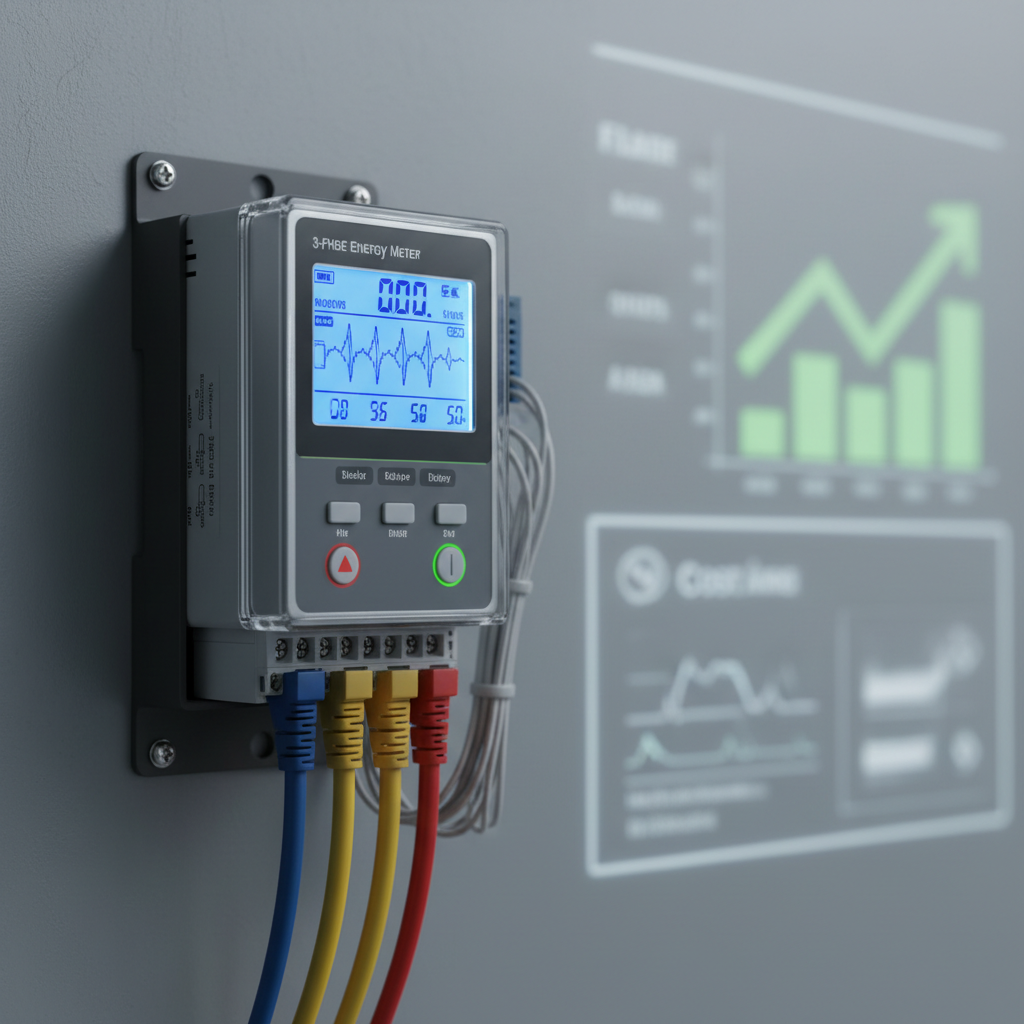
When selecting a 3 phase energy meter, several key features should be carefully considered to ensure accurate power measurement and substantial cost savings. Firstly, precision in measurement is critical. Look for energy meters that offer high accuracy ratings, capable of detecting minute variations in electrical usage, which can lead to more informed decisions regarding energy consumption. Additionally, smart capabilities like IoT connectivity can provide real-time data analysis, enabling users to monitor their energy usage patterns and identify opportunities for savings.
Another essential feature is the ability to measure power quality. Meters equipped with this functionality can detect disturbances in the electrical system that might affect performance and lead to increased costs over time. Furthermore, compatibility with various loads and ease of installation are important aspects to consider, as these can significantly influence the deployment and ongoing utilization of the meter. By focusing on these critical features, consumers can select the best 3 phase energy meter that not only enhances precision in measurement but also contributes to long-term cost efficiency.
Understanding Different Types of 3 Phase Energy Meters and Their Applications
When it comes to selecting the best 3 phase energy meter, it's crucial to understand the various types available and their specific applications. The common types include electromechanical meters, electronic meters, and smart meters. Electromechanical meters are traditional devices that operate using rotating discs and are generally reliable for basic power measurement. However, electronic meters, which utilize digital technology, offer superior accuracy and the ability to track energy consumption in real-time. According to a report by Grand View Research, the global smart meter market is expected to reach USD 27 billion by 2027, highlighting the growing preference for advanced metering solutions.
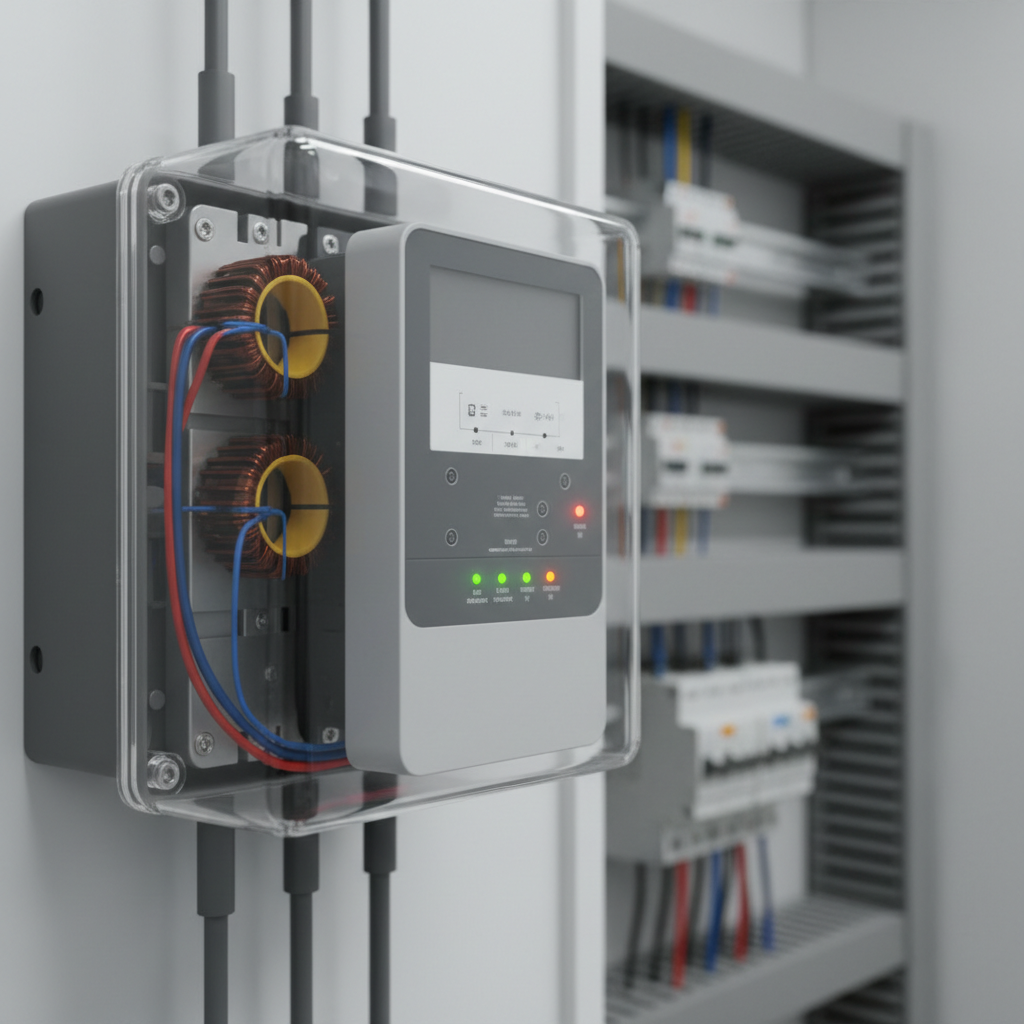
Smart meters, in particular, enable utilities and consumers to monitor energy usage more effectively, thereby enhancing energy efficiency and leading to significant cost savings. These meters often come equipped with advanced communication features that allow for remote monitoring and data analysis. A study by MarketsandMarkets indicates that the smart grid market, closely linked to smart metering technology, is projected to grow at a CAGR of 20% from 2020 to 2025. By leveraging these technologies, businesses can optimize their energy consumption, identify inefficiencies, and reduce operational costs while contributing to a more sustainable energy ecosystem.
Comparative Analysis of Top 5 3 Phase Energy Meters on the Market
When selecting a 3-phase energy meter, it’s essential to consider the specific features and capabilities each product offers. Our comparative analysis highlights the top 5 3-phase energy meters currently available on the market, focusing on their accuracy, communication interfaces, and cost-effectiveness. According to a recent industry report by ResearchAndMarkets, the global energy meter market is expected to reach $87 billion by 2025, driven by the rising demand for smart grid technologies and energy efficiency.
Among the leading models, the Schneider Electric PM8000 series stands out for its advanced analytics features and energy monitoring capabilities. Additionally, the Siemens 7KM PAC series is praised for its reliability and robust communication options, catering to both industrial and commercial applications. It’s crucial to evaluate each meter's performance data—specifically, accuracy ratings and the ability to minimize energy waste—ensuring potential cost savings.
Tips:
- Look for meters with a minimum accuracy demand of ±0.5% to ensure precise measurements.
- Consider models that offer real-time data and remote monitoring capabilities for efficient energy management.
- Check for compliance with international standards, such as IEC 62053, which guarantees the reliability of measurements across different environments.
Evaluating Long-term Cost Savings with the Right 3 Phase Energy Meter
Selecting the right three-phase energy meter is crucial for businesses aiming to enhance operational efficiency and minimize energy costs. Recent industry reports indicate that organizations can achieve significant long-term cost savings by investing in high-quality energy metering solutions. According to the International Energy Agency (IEA), accurate power measurement helps detect inefficiencies in energy consumption, potentially leading to savings of up to 20% in operational costs. By deploying advanced energy meters equipped with precise data analytics, companies can monitor their energy usage in real-time, allowing for informed decisions that directly impact their bottom line.
Moreover, the choice of a three-phase energy meter impacts not only immediate savings but also long-term financial performance. A study by the U.S. Department of Energy highlights that businesses that utilize smart energy meters experience an average return on investment (ROI) of around 15-25% within three years. These meters facilitate better energy management strategies and predictive maintenance, reducing downtime and unexpected operational costs. In a market continuously pushed towards efficiency, adopting the best three-phase energy meter is not just an expense; it becomes an investment that pays dividends in reliability, compliance with regulatory standards, and ultimately, substantial cost reductions.
2025 How to Choose the Best 3 Phase Energy Meter for Accurate Power Measurement and Cost Savings
This chart illustrates the long-term cost savings from using different types of 3-phase energy meters based on their initial costs and projected savings over five years.
Installation and Maintenance Tips for Optimal Performance of Energy Meters
When it comes to optimizing the performance of three-phase energy meters, proper installation is crucial. Ensuring that the meter is correctly positioned and connected can significantly impact accuracy in power measurement and overall functionality. Before installation, it's important to assess the site conditions, including environmental factors such as temperature and humidity, which can affect the meter's performance. Following the manufacturer's guidelines for wiring and connections will help prevent errors that could lead to inaccurate readings or equipment damage.
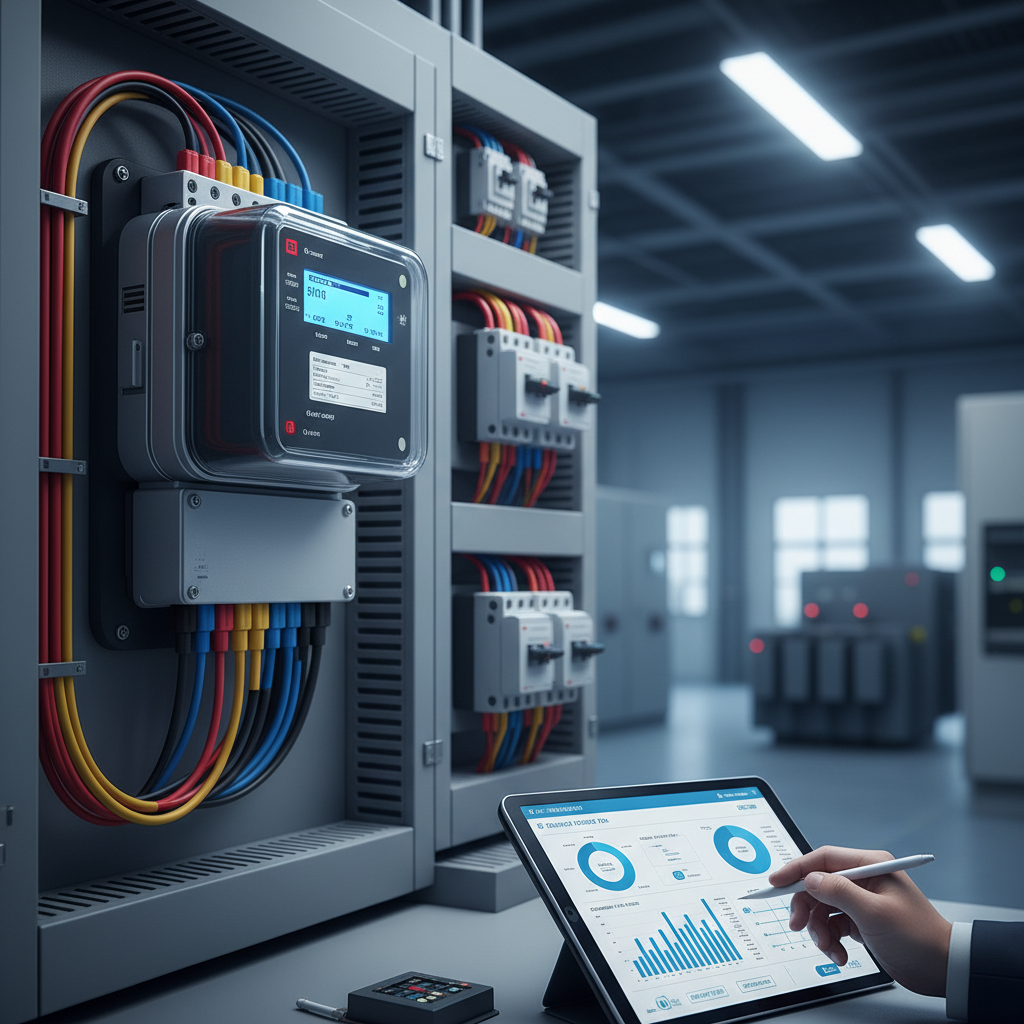
Regular maintenance is equally essential for the longevity and optimal performance of energy meters. Routine checks should include verifying the calibration of the meter and inspecting for any signs of physical wear or damage. Additionally, clean connections and terminals can prevent corrosion, which may interfere with accurate readings. Implementing a scheduled maintenance plan ensures that any potential issues are addressed promptly, thereby reducing downtime and extending the lifespan of the energy meter. Such proactive measures not only enhance accuracy but also lead to significant cost savings in energy management.
 X
X