How to Choose the Best Cutlery for Your Kitchen Needs?
Choosing the right cutlery for your kitchen is crucial for both cooking and dining experiences. High-quality cutlery can enhance meal preparation and ensure safety while handling food. With so many options available, selecting the ideal knives, forks, and spoons can be overwhelming.
Consider the types of cutlery you will use most often. Chef's knives, paring knives, and bread knives are essential for different tasks. Additionally, think about the materials; stainless steel and carbon steel each have unique benefits and drawbacks. Comfort and balance are also significant factors. A well-balanced knife can improve your efficiency and reduce fatigue.
It's important to reflect on your cooking habits. A beginner may not need a full knife set, while a home chef might prioritize professional-grade options. Remember, maintaining cutlery is part of the investment. Regular sharpening and proper storage can extend the life of your tools. Ultimately, your cutlery should match your needs, skill level, and personal preferences.
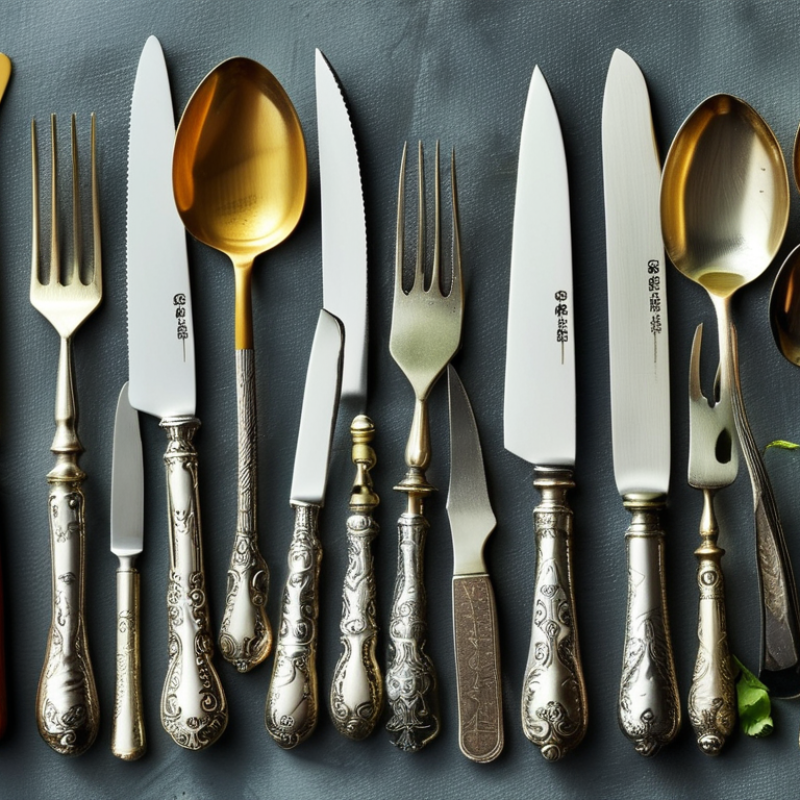
Understanding Different Types of Cutlery and Their Uses
Choosing the right cutlery for your kitchen can enhance your cooking experience. Different types of cutlery serve various purposes, making it vital to understand their uses. For instance, a chef's knife is an essential multi-tool. It can chop, slice, and dice vegetables and meats with ease. In contrast, a paring knife is ideal for intricate tasks, such as peeling fruits or deveining shrimp. Understanding these distinctions helps to select the right tool for the job.
When selecting cutlery, consider the material. Stainless steel is popular for its durability and resistance to rust. However, high-carbon stainless steel offers superior sharpness but may require more care. Wooden handles may feel comfortable, but they can wear over time. Reflect on your cooking style. Do you need sturdy tools for heavy tasks, or precise knives for delicate work? This reflection is crucial.
Investing in high-quality cutlery can significantly impact your culinary creations. However, price does not always guarantee excellence. Look for a balance of quality and comfort. Hold the knives before purchasing, if possible. A knife may look perfect but feel awkward in your hand. Always keep your cutlery sharp. Dull blades are frustrating and can be dangerous. Regular maintenance ensures safety and efficiency in the kitchen.
How to Choose the Best Cutlery for Your Kitchen Needs?
Key Factors to Consider When Selecting Kitchen Cutlery
When selecting kitchen cutlery, the material is a primary consideration. Stainless steel is popular for its durability and resistance to rust. High-carbon steel offers sharper edges but requires more maintenance. Look for a balanced weight that feels comfortable in your hand. A heavy knife may be more difficult to handle, especially for longer tasks.
Blade shape and size also play crucial roles. A chef's knife is versatile for slicing and dicing. A paring knife excels in precision tasks. Shorter blades are typically easier to control, but may limit your cutting techniques. Ensure you consider your cooking style. If you're into baking, a serrated knife might become essential for slicing bread.
Finally, consider the grip. A comfortable handle enhances control during use. Materials range from wood to synthetic composites. Some grips may feel slippery, especially when wet. It's worth trying out a few options. Drop a knife or two during your search. It happens. Finding your ideal set can take time. Aim for quality, but understand that not every piece will feel perfect right away. Learning what works best for you is part of the process.
Materials Used in Cutlery: Pros and Cons
When selecting cutlery, the materials used significantly influence performance. Stainless steel is a common choice. It is durable and resists rust. However, some people might find it feels a bit heavy. On the other hand, high-carbon stainless steel offers sharper edges. It combines the benefits of stainless steel with better edge retention. Still, this material can be prone to staining without proper care.
Ceramic cutlery is another option that is lightweight and easy to handle. It doesn't corrode and remains sharp for longer than steel. Yet, ceramic can chip or break if dropped. Plastic knives are perfect for casual use, especially for outdoor events. They are inexpensive but can’t compete with the performance of metal counterparts.
Understanding these materials requires personal experience. Every chef has unique preferences. Your choice should depend on how often you cook and the types of meals you prepare. Experimenting with different materials might lead to discoveries that enhance your cooking efficiency. Evaluate how each material feels in your hand and consider long-term maintenance.
How to Choose the Best Cutlery for Your Kitchen Needs? - Materials Used in Cutlery: Pros and Cons
| Material | Pros | Cons |
| Stainless Steel | Durable, resistant to rust and corrosion, easy to clean. | Can be prone to chipping and scratching. |
| Carbon Steel | Sharp edges, great for precision cutting, easy to sharpen. | Requires regular maintenance to prevent rusting. |
| Ceramic | Extremely sharp, maintains sharpness longer, lightweight. | Brittle and can chip or break easily. |
| Plastic | Lightweight, often dishwasher safe, inexpensive. | Not very durable, can become dull quickly. |
| Wood | Aesthetically pleasing, gentle on blades, naturally antimicrobial. | Can absorb odors and requires careful cleaning and maintenance. |
How to Maintain and Care for Your Cutlery
Maintaining and caring for your cutlery is essential for both safety and longevity. Regular cleaning is crucial. After each use, washed knives and utensils should be dried immediately to prevent rust. According to data from the Culinary Institute, knives can last up to three times longer with proper care. Wash them by hand instead of using a dishwasher. The harsh environment can damage both the blades and handles.
It's important to store your cutlery properly. Use a knife block or magnetic strip to keep them organized and safe. Storing them loosely in a drawer can lead to nicks and dullness. In fact, a study from the Knife Industry Association shows that more than 50% of dull knives result from improper storage methods. Periodically honing your knives helps maintain sharpness without requiring professional sharpening, which should be done every 6-12 months, depending on usage.
Additionally, avoid using your knives on hard surfaces like glass or stone. This can severely damage the edges. Instead, opt for wooden or plastic cutting boards. Paying attention to these details can make a significant difference in the lifespan and performance of your cutlery. Neglecting these practices not only leads to more frequent replacements, but it can also compromise your efficiency in the kitchen.
Choosing the Right Cutlery Set for Your Cooking Style
When selecting a cutlery set, consider your cooking style. Some people love experimenting with gourmet dishes, while others prefer quick meals. Choose knives that match your culinary preferences. For example, a chef's knife is versatile for chopping and slicing. If you frequently prepare delicate foods, a paring knife will be helpful.
Pay attention to the materials used in your cutlery. Stainless steel offers durability and rust resistance. High-carbon steel can take a sharper edge, but it requires more maintenance. It's essential to balance aesthetics with functionality. A beautiful set can enhance your kitchen, but it should also perform well.
Here are a few tips to keep in mind: Ensure knives feel comfortable in your hand. The weight and grip can significantly affect your experience. Look for a set that includes a variety of knives for different tasks. Even if a complete set may seem ideal, sometimes, buying individual pieces can provide a better fit for your needs. Lastly, think about storage. A good knife block or magnetic strip keeps your knives organized and accessible.
 X
X