How to Choose the Best Current Sense Transformer for Your Needs?
Choosing the right current sense transformer is crucial for accurate electrical measurement and performance. Recent industry reports show that the global market for current sense transformers is projected to grow at a CAGR of 7.4% from 2021 to 2028. This growth emphasizes the increasing demand for reliable sensing solutions in various applications like automotive, industrial, and consumer electronics.
When selecting a current sense transformer, several factors come into play. These include voltage ratings, frequency response, and size constraints. A transformer that performs excellently in one application may fall short in another. It is vital to assess specific requirements and match them against available options. Many engineers find themselves reflecting on past selections, noting that a mismatch can lead to inefficiencies, increased costs, or system failures.
Understanding the technical specifications of current sense transformers can be overwhelming. Many factors require careful consideration. However, manufacturers provide resources that can aid in making informed choices. Exploring any gaps in your knowledge and staying updated on advancements can bolster your decision-making process. Failure to do so might lead to future regrets in your projects.
Understanding the Basics of Current Sense Transformers
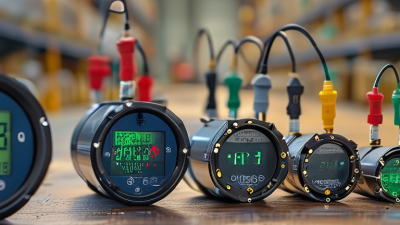
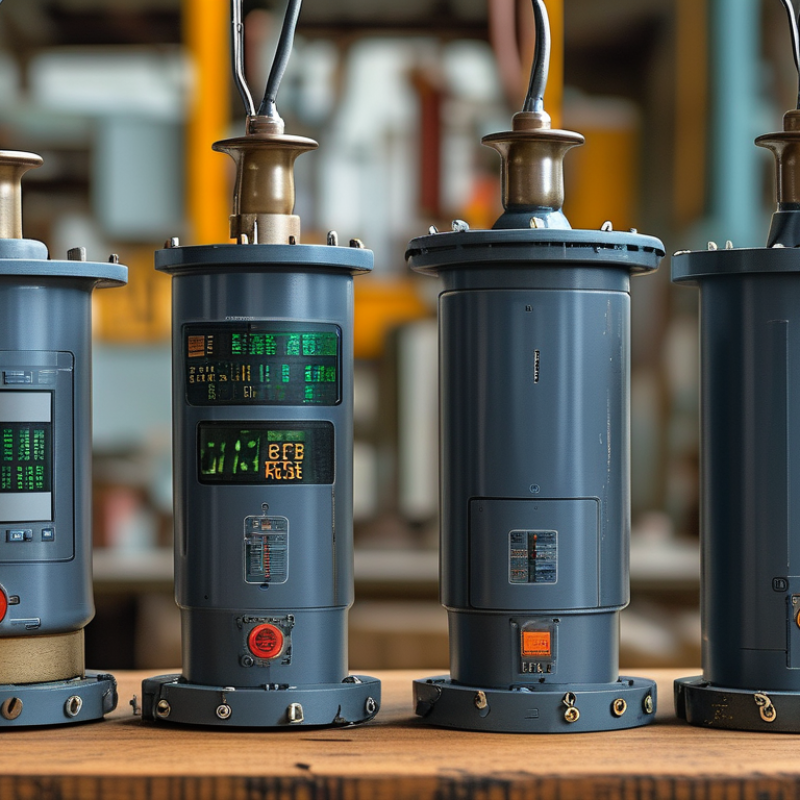
Current sense transformers are critical components in electrical systems. They measure current flow, ensuring accurate readings and system safety. Understanding their basics helps in choosing the right one for your application. Key factors to consider include the transformer's current rating, frequency response, and size.
Transformers come in various types. Some are designed for low current applications, while others handle high currents. Select a type suitable for your project's specifications. Pay attention to signal integrity too. Poor choice can lead to inaccurate readings. Assessing the application environment is essential. For instance, high temperatures can affect transformer performance.
Tips: Always consult specifications carefully. Match the transformer's rating with your circuit's maximum current. Consider the installation space available. Sometimes, larger transformers are necessary for stability. If unsure, consider seeking expert advice. Understanding these elements improves reliability. It can be challenging, but a thoughtful approach pays off.
Key Specifications to Consider When Selecting a Current Sense Transformer
When choosing a current sense transformer, pay attention to the specifications that directly impact its performance. One critical specification is the current ratio. This determines how much current the transformer can handle and should match your application requirements. Another key factor is the frequency response. A transformer with a good frequency response will provide accurate measurements across a wide range of frequencies.
For applications needing high precision, consider transformers with low phase shift. A lower phase shift means your measurements will be more accurate. Additionally, the thermal characteristics of the transformer matter. Look for transformers that can operate at higher temperatures without degrading performance.
Testing different models can be useful. Evaluate their performance in your specific environment. Don’t overlook the importance of installation space. Some transformers can be bulky, which may limit your options. Keep in mind that even small differences in specifications can lead to significant changes in performance under certain conditions. Always review the datasheets for detailed insights before making a decision.
Evaluating the Performance of Current Sense Transformers
When evaluating the performance of current sense transformers, accuracy is a key factor. The transformer must provide reliable readings across a range of operating conditions. This can be influenced by the transformer’s design and materials. Some transformers may perform well under certain loads but struggle with others. Identifying these specifications can be challenging but essential.
Another important aspect is the frequency response of the transformer. Different applications may require different frequency responses. A transformer tuned for low frequencies might not perform adequately at higher frequencies. This issue can affect the overall system performance. Understanding the frequency range required for your application helps narrow down your options.
Temperature stability is also crucial. Transformers can experience shifts in performance with temperature changes. A device that works well at room temperature may not provide similar results in more extreme conditions. It’s essential to consider the operating environment during the selection process. Evaluating both performance metrics and environmental conditions can lead to better outcomes.
Performance Comparison of Current Sense Transformers
Common Applications and Use Cases for Current Sense Transformers
Current sense transformers are pivotal in various applications, especially in measurement and control systems. These devices help monitor electrical currents with precision, which is essential in industrial setups. For instance, they are widely used in motor controllers, power supplies, and energy management systems. Their optimal function can lead to significant energy savings and improved system reliability.
In renewable energy systems, current sense transformers play a crucial role. They help ensure that solar inverters operate efficiently by keeping track of the energy flow. The accurate measurement of current is vital for maximizing the energy harvested from solar panels. Similarly, in electric vehicle charging stations, these transformers ensure safe and efficient charging by providing real-time current monitoring.
However, not all current sense transformers are equal. Selecting the right type involves understanding the specific requirements of your application. Factors such as current range, bandwidth, and insulation voltage are essential. There may be trade-offs between precision and cost, which requires careful consideration. Insightful analysis can help identify the best transformer for diverse electrical setups.
Tips for Comparing Different Brands and Models of Current Sense Transformers
When selecting a current sense transformer, understanding the different brands and models is essential. Industry reports indicate significant variations in performance characteristics, such as accuracy, thermal stability, and frequency response. For instance, some transformers may achieve an accuracy of up to 0.5% while others may have error levels of 1% or higher. Such discrepancies can impact the efficiency and reliability of your application.
Consider specific features like measurement range and bandwidth. Certain models are better for high-frequency applications, offering a wider frequency response. Reviewing datasheets can provide insights into these specifications. Additionally, take note of the current rating and the physical size of the transformers, as these factors can affect integration into existing systems.
Make comparisons across different suppliers and products to identify which features align with your requirements. Professional recommendations can be valuable, but ensure to validate them with empirical data. Analyzing test results from real-world applications can also provide a clearer picture. Keep in mind that not every option will fit perfectly; assessing the trade-offs between performance and cost may bring forth considerations for reflection and adjustment.
 X
X