How to Choose the Best Solar Meter for Your Energy Needs
As the demand for renewable energy sources continues to rise, more homeowners and businesses are turning to solar energy as a viable and sustainable option. According to a report by the International Energy Agency, solar power generation capacity is expected to reach 1,000 gigawatts globally by 2023, reflecting a significant shift toward cleaner energy practices. However, to maximize the benefits of solar energy, having an efficient and reliable solar meter is essential.
A solar meter is a crucial tool that measures the amount of solar energy produced by photovoltaic (PV) systems. It provides real-time data on energy generation, which not only enables users to track their energy production but also helps in optimizing system performance. With advancements in technology, today's solar meters come equipped with various features and capabilities designed to cater to different energy needs. Research indicates that selecting the right solar meter can lead to improved energy efficiency and potential cost savings, making it an invaluable investment for any solar energy user. Understanding how to choose the best solar meter tailored to your specific requirements is vital in achieving the maximum output from your solar energy system.

Understanding Solar Meters and Their Functions
Solar meters play a crucial role in maximizing the efficiency of solar energy systems by accurately measuring and analyzing energy production and usage. These devices can help homeowners and businesses assess their energy output and optimize their energy consumption based on real-time data. According to the International Energy Agency, the global solar power capacity reached 710 gigawatts in 2019, highlighting the growing reliance on solar energy. By using solar meters, users can ensure they are making informed decisions regarding their energy consumption patterns.
When selecting a solar meter, it’s essential to consider various factors such as compatibility with your solar panel system, measurement accuracy, and user-friendly interfaces. Aim for a meter that provides detailed analytics and remote monitoring features. In fact, a 2020 report indicated that systems with advanced monitoring saw an increase of up to 22% in energy efficiency.
Tips for choosing the right solar meter include looking for a device with a high precision rating (around ±0.5% accuracy is ideal) and one that integrates seamlessly with other smart home devices. Additionally, prioritize meters that offer app connectivity, allowing you to track performance on the go. These features will not only enhance your energy management but also contribute significantly to long-term savings and sustainability.
Key Considerations for Selecting a Solar Meter
When selecting a solar meter for your energy needs, several key considerations will help ensure you make an informed choice. First and foremost is the type of solar meter you require. Depending on whether you need a simple monitoring device for personal use or a more complex system for commercial applications, your options will vary. Look for meters that provide real-time data and are compatible with your solar power system to accurately track energy production and usage.
Another critical aspect to consider is the accuracy and reliability of the solar meter. Choose a device with a strong track record of performance and good reviews from users. Additionally, consider features such as data logging and connectivity, which allow you to analyze your energy consumption trends over time and optimize your solar system accordingly. Finally, ensure the meter meets local regulations and standards, as this can affect both installation and performance. These considerations will guide you toward selecting the best solar meter tailored to your specific energy needs.
Types of Solar Meters and Their Specific Uses
When selecting a solar meter, it's essential to understand the various types available and their specific applications. There are primarily three categories of solar meters: solar consumption meters, solar generation meters, and solar performance meters. Solar consumption meters track how much energy you're using from your solar system versus the grid, allowing for optimal energy management. Solar generation meters, on the other hand, measure the total energy produced by the solar panels, giving you insight into the effectiveness of your installation. Lastly, solar performance meters assess the efficiency of your solar system, helping identify any issues or areas for improvement.
Tips: When choosing a solar meter, consider your primary goal—whether it's maximizing savings or monitoring performance. Look for meters that offer real-time data and easy-to-read displays. Additionally, ensure compatibility with your solar setup and check if the meter has features such as connectivity to smart devices for remote monitoring.
Each type of solar meter has its unique advantages, and understanding these can greatly improve your energy management strategy. By selecting the right meter, you can gain valuable insights into your energy usage patterns, which will help you make informed decisions about energy consumption and savings.
How to Choose the Best Solar Meter for Your Energy Needs - Types of Solar Meters and Their Specific Uses
| Type of Solar Meter |
Specific Uses |
Measurement Range |
Key Features |
| Digital Solar Meter |
Ideal for home use to measure solar panel performance |
0-2000 Watts |
Digital display, accuracy +/- 1%, data logging capability |
| Clamp-On Meter |
Used for measuring AC/DC current in solar systems |
0-100 Amps |
Non-invasive measurement, portable, battery-operated |
| Multimeter |
Versatile tool for voltage, current, and resistance measurement |
Voltage: 0-600V, Current: 10A, Resistance: 0-2MΩ |
Multiple functions, easy to read display, compact design |
| I-V Curve Tracer |
For testing solar panel performance through I-V characteristics |
0-1000 Watts |
Graphing capability, high precision, user-friendly interface |
| Energy Monitor |
Tracks energy consumption and solar generation |
Up to 200 Amps |
Real-time data display, alerts, integration with smart home systems |
Evaluating Accuracy and Features of Solar Meters
When choosing the best solar meter for your energy needs, it's crucial to evaluate both the accuracy and the features of the devices available in the market. According to a report by the National Renewable Energy Laboratory (NREL), solar meters can vary significantly in precision, with variations in measurement accuracy ranging from ±1% to ±5%. Such differences can impact your energy reporting, so investing in a meter with high accuracy is essential for effective energy management and cost savings.
Additionally, consider the features offered by solar meters. Many modern devices come equipped with data logging, real-time monitoring, and smartphone connectivity, providing users with valuable insights into their energy consumption. A study by the Solar Energy Industries Association (SEIA) indicated that devices with advanced features can help users optimize their energy usage by up to 20%.
**Tips for Choosing a Solar Meter:**
1. Look for meters with a high accuracy rate (±1% or better) to ensure reliable data.
2. Choose a device that offers data logging and remote monitoring to help you track energy consumption conveniently.
3. Consider whether the solar meter is compatible with your existing solar equipment for seamless integration.
Solar Meter Accuracy and Features Comparison
Budgeting for Your Solar Meter Investment
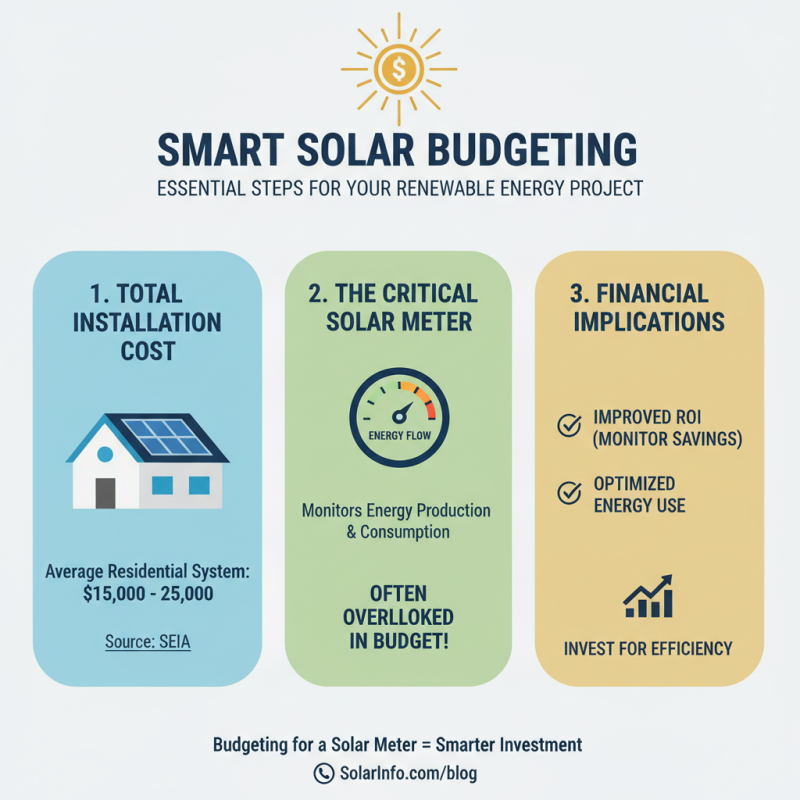
When investing in a solar meter, budgeting is a critical step that can significantly impact the overall cost-effectiveness of your renewable energy project. According to the Solar Energy Industries Association (SEIA), the average cost of solar panel installation ranges from $15,000 to $25,000 for a typical residential system, depending on the size and efficiency. A solar meter is essential for monitoring energy production and consumption, yet many homeowners overlook its financial implications in the total investment.
Moreover, it's important to factor in the potential savings on energy bills, which can vary based on location and energy consumption patterns. The U.S. Department of Energy reports that homeowners can save anywhere from $10,000 to $30,000 over the lifetime of their solar energy systems, depending on state incentives and energy costs. Selecting a high-quality solar meter not only enhances energy management but can also lead to smarter budgeting decisions by accurately tracking energy generation, ultimately providing better insights into return on investment and long-term savings.
 X
X